
























Air India Dreamliner Grounded Due to Fuel Switch Malfunction

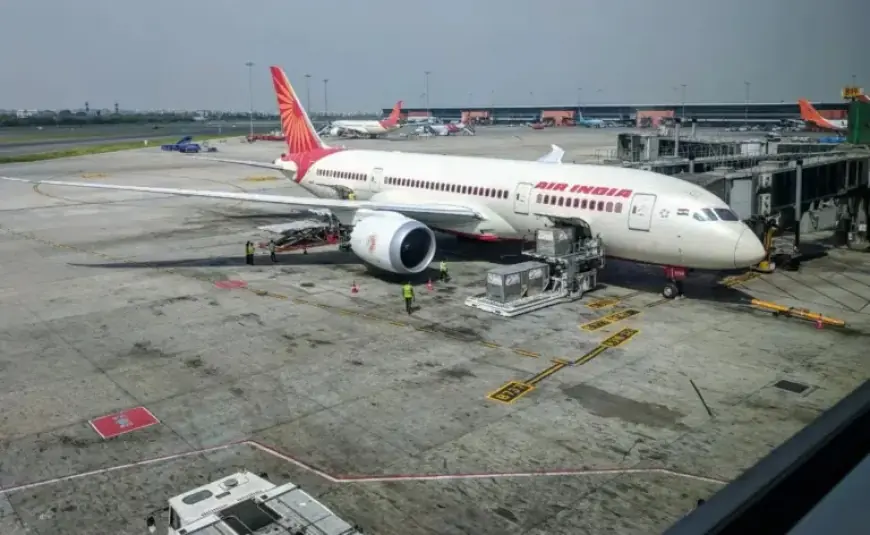
An Air India Boeing 787 Dreamliner recently experienced a serious technical malfunction, prompting the airline to ground the aircraft. The incident involved the left fuel control switch, which failed to remain in the ‘run’ position during engine startup. This issue occurred twice, causing the switch to shift to ‘cutoff.’ The aircraft in question was flight AI 132, which had arrived from Heathrow to Bengaluru.
Incident Analysis and Safety Response
An Air India spokesperson confirmed that the airline is investigating the reported defect in cooperation with the aircraft’s manufacturer, Boeing. The spokesperson emphasized the priority of passenger and crew safety. Additionally, the Directorate General of Civil Aviation (DGCA), India’s aviation regulator, has been informed about the situation.
The airline stated, “We have grounded the said aircraft and are involving the OEM to check the pilot’s concerns on a priority basis.” Boeing has acknowledged the issue and is actively supporting Air India in their review of the situation.
Background on Previous Incidents
This grounding follows a tragic incident in June 2025, when an Air India Dreamliner crashed in Ahmedabad, resulting in the deaths of 260 people. As a precaution, Air India had previously inspected the fuel control switches on all their Boeing 787 aircraft and reported no issues. However, findings from a preliminary report into the Ahmedabad crash revealed that the fuel control switches moved to the ‘cutoff’ position shortly after takeoff, resulting in engine power loss.
Understanding Fuel Control Switches
Fuel control switches play a crucial role in regulating fuel flow to an aircraft’s engines. They can be used to start, shut down, or restart engines. If the switches are inadvertently moved to the ‘cutoff’ position, engine power can be immediately lost.
- Fuel control switches on the Boeing 787 are located below the thrust levers.
- They are designed to remain in position unless intentionally moved by the pilot.
- Changing a switch requires pulling it up before moving it to ‘cutoff’ or ‘run.’
In the Ahmedabad accident, recordings indicated that both engine fuel switches transitioned to ‘cutoff’ shortly after takeoff, which significantly contributed to the loss of engine power. Investigation findings suggest that an immediate recovery sequence activates when switches are moved back to ‘run’ during flight.
As Air India navigates this recent incident, the focus remains on enhancing safety protocols to prevent any future occurrences that compromise passenger safety.