

























Peter Attia faces scrutiny after Epstein-related emails surface in new document release

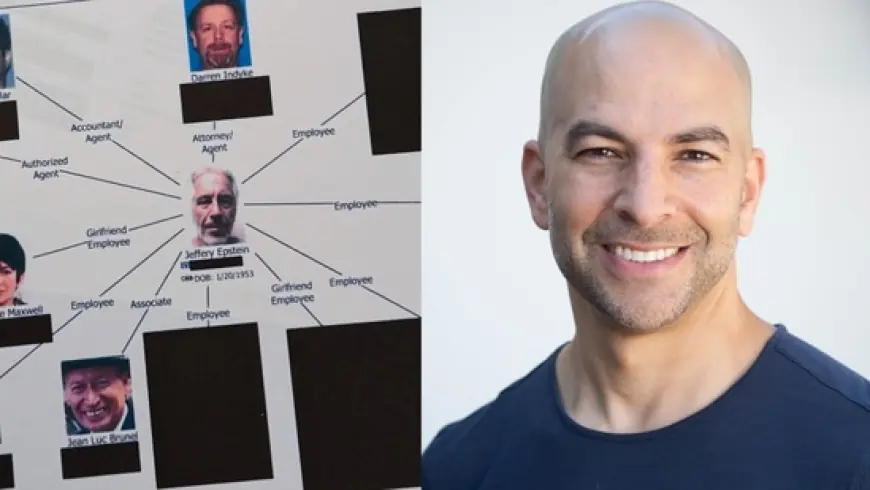
A newly released cache of federal records tied to Jeffrey Epstein has sparked renewed scrutiny of physician and longevity author Peter Attia, MD, after documents circulating in recent coverage show extensive email contact between Attia and Epstein years after Epstein’s 2008 conviction. The disclosures are fueling backlash across the health-influencer ecosystem and raising questions about how institutions and brands should respond when historical associations resurface in official releases.
The full scope of the correspondence and its context is still emerging. Some messages appear routine, while others read as familiar or joking in tone, and redactions in the released material leave gaps that have not been publicly clarified.
What the documents appear to show
The latest tranche of records, released late Friday, includes emails and other materials that reference Attia repeatedly and depict a relationship that extended beyond brief or incidental contact. Recent coverage describes numerous exchanges over several years, including messages that continued well after Epstein’s criminal case was widely known.
The material has circulated amid broader public attention on the Epstein files, which contain communications involving many prominent figures across business, politics, media, and philanthropy. Federal officials have emphasized that the release includes disturbing content but does not automatically establish grounds for new criminal cases, and that many items in the larger trove vary in credibility and completeness.
What has intensified attention around Attia is the combination of frequency and tone: a pattern of friendly familiarity rather than a single, dated interaction.
Who is Dr. Peter Attia?
Attia is widely known in the wellness and longevity space as a physician, speaker, and the author of a best-selling book on healthspan and aging. His work focuses on prevention, metabolic health, exercise, sleep, and risk reduction for chronic disease, and he has built a large audience through long-form interviews and membership-based health education.
That high profile is central to why the story is spreading quickly: Attia’s brand is built on trust, professional authority, and a public-facing role that invites scrutiny beyond what a private citizen might face. The Epstein association, even without any allegation of wrongdoing by Attia in the released materials, is being treated by many critics as a reputational stress test for the broader “longevity medicine” influencer economy.
Fallout across partnerships and public roles
One immediate impact has been reputational triage by organizations and companies that previously featured Attia in expert or advisory capacities. In the first 48 hours after the latest records drew wide attention, at least one consumer brand quietly removed references to Attia from its public-facing materials, a move that signals how quickly partners may act to limit reputational spillover.
Public institutions and media organizations that have recently worked with Attia are also facing pressure to clarify whether they reviewed the newly surfaced material, and whether their vetting standards account for associations that may not be illegal but remain socially and ethically charged.
At the same time, the story illustrates a broader dynamic: when a creator’s identity is tightly bound to a personal brand, even indirect controversies can move fast, and decisions by partners can be driven as much by audience reaction as by formal findings.
The ethics debate inside medicine and wellness
The response to “peter attia epstein” is not only about optics. Critics argue that any sustained relationship with Epstein after 2008 demands explanation, particularly from a physician who occupies a role many people interpret as inherently ethical and protective. Supporters and some clinicians counter that correspondence alone does not prove knowledge of abuse, and that released documents can omit crucial context through redactions and partial excerpts.
What remains unclear at this time is whether Attia will address the emails directly in a detailed statement, whether he will dispute aspects of the released record, or whether additional documentation will change public understanding of the relationship.
Key takeaways
-
Newly released federal records have revived attention on Peter Attia’s past communications with Jeffrey Epstein.
-
Some partners have moved quickly to distance themselves, while public pressure grows for clearer explanations.
-
The episode is widening into a debate about vetting, trust, and accountability in the health-influencer economy.
What happens next
The near-term focus is on three practical questions. First: will Attia respond in a way that addresses the timeline and tone of the correspondence without deflection. Second: will additional documents or context be released that clarify what the existing records do and do not show. Third: how institutions that platform health authorities will adjust their standards for reviewing reputational risk, especially when it intersects with criminal notoriety but not necessarily criminal allegations against the featured individual.
For audiences, the next signal will be concrete: formal statements, changes to public roles, and whether partners continue to step back. For the wider wellness industry, the episode is likely to intensify calls for clearer professional boundaries and more transparent disclosures when public trust is the product.
Sources consulted: Variety; Associated Press; Reuters; CBS News