

























Australia Faces Trio of Rate Hikes After Policy Shortcomings

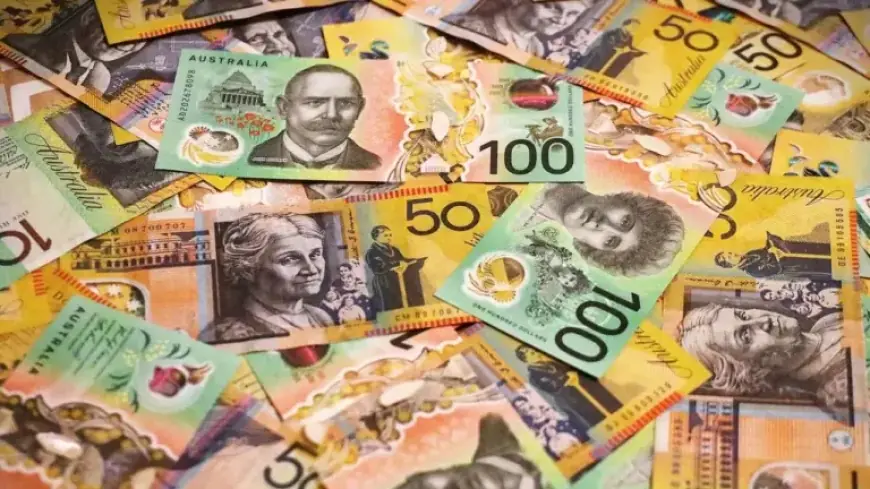
The Australian economy is facing potential interest rate hikes due to previous monetary policy failures and significant government spending. Experts are now warning that mortgage holders may struggle with three rate increases by May, with the first step possibly occurring as soon as February.
Demand for Rate Hikes
Warren Hogan, managing director of EQ Economics, highlighted the pressing need for the Reserve Bank of Australia (RBA) to correct previous interest rate cuts. He emphasized that inflation poses serious threats to economic stability and called for immediate action.
Inflation Concerns
Hogan stated, “Inflation is the devil when it comes to the operation of an economy.” He believes Australia missed the chance to control inflation in 2024, warning that if action is postponed until 2026, households could face prolonged economic pain.
- Previous Rate Policy: Australia did not raise rates like other nations during inflationary pressures.
- Government Spending: Hogan called for reduced spending to help curb inflation.
- Cash Rate Prediction: If government action remains minimal, the RBA may need to raise the cash rate above 5%.
Impact on Mortgage Holders
Finder data indicates that three interest rate hikes in 2026 could significantly increase monthly payments for homeowners. For instance:
- A $500,000 mortgage could see an increase of $240 per month or $2,877 annually.
- Homeowners with a $1 million mortgage may be required to pay an additional $480 monthly or $5,754 yearly.
Government Savings and Next Steps
Federal Treasurer Jim Chalmers noted over $114 billion in government savings and called attention to recent spending restraint. However, experts like Hogan argue that these measures need to be more robust to ensure economic stability.
Current Economic Indicators
Recent data from the Australian Bureau of Statistics showcased a headline inflation rate of 3.8% for the year ending in December. This marks an increase from 3.4% the previous month, illustrating the rising inflationary trend.
- Unemployment Rate: The unemployment rate has dropped to 4.1% from 4.3% in December, suggesting a stronger jobs market.
Expert Consensus
HSBC chief economist Paul Bloxham indicated that the current inflation surge is not driven by robust economic growth but rather reflects lower supply-side efficiency. Hogan urged the RBA to act quickly to reassure the public and stabilize the economy.
As the government prepares for future elections, the time may be ripe for making difficult financial decisions to address inflation effectively. The RBA’s next moves will be closely scrutinized by both analysts and the public, making it essential to create a clear strategy for the coming years.