Peter Attia–Epstein questions flare after new document release

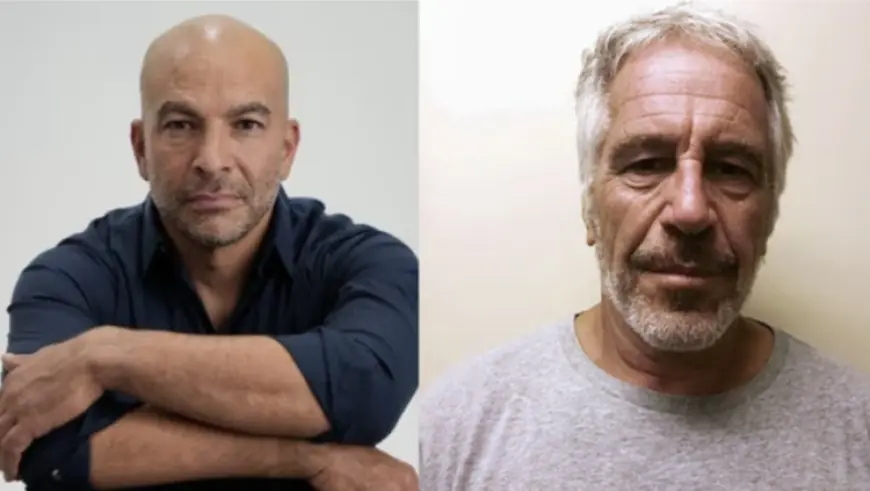
A newly published batch of federal records tied to Jeffrey Epstein has renewed scrutiny of physician and longevity author Dr. Peter Attia, after the materials surfaced years of friendly email contact and scheduling chatter that appeared to continue well past Epstein’s earlier criminal case. The release has also triggered fresh debate about how public figures should explain past relationships with Epstein, and how institutions vet high-profile contributors.
The Justice Department’s latest publication, dated Friday, January 30, 2026 (ET), added more than 3 million pages of material plus thousands of videos and images to a growing public archive. The documents include extensive redactions meant to protect victims and sensitive investigative details, while still exposing the breadth of Epstein’s network and communications.
What the latest release included
The Justice Department described the publication as part of compliance with a federal transparency law requiring disclosure of Epstein-related records. Officials highlighted the scale of the release—millions of pages—along with large volumes of images and video, while emphasizing that some material was withheld or blacked out to protect victims and avoid compromising investigative information.
The rollout has been criticized in some quarters for redaction inconsistencies, including concerns that sensitive personal details might be visible in certain files. Lawyers for survivors and privacy advocates have urged tighter controls and clearer safeguards, especially as the documents circulate widely online.
Peter Attia Epstein: what the documents show
Within this batch, Dr. Peter Attia appears repeatedly in email and contact records—coverage of the material has cited roughly 1,700 mentions across the files. The correspondence described in those records includes casual exchanges, travel-related notes, and messages that reflect familiarity between the two men.
Some of the emails highlighted in coverage include crude jokes and personal banter. The content itself does not establish criminal conduct by Attia, but it has raised questions about judgment and the timing of continued contact given Epstein’s widely known legal history and the public allegations surrounding him for years.
As of Monday, February 2, 2026 (ET), no public statement from Attia addressing this latest document release has been confirmed in major coverage, and it remains unclear whether he plans to comment in detail.
Why this is turning into a bigger story
The focus is not only on what the emails say, but on how public trust works when a medical figure builds a brand around advice, credibility, and personal discipline. Attia is widely known for longevity-focused guidance, paid medical services, and popular writing on healthspan. That visibility amplifies any questions about personal associations, especially when they involve a person as notorious as Epstein.
The timing also matters. Attia was recently announced as a paid contributor for a major U.S. broadcast news organization, a role that tends to carry implied vetting and reputational risk management. The emergence of fresh attention on the emails has shifted the conversation from health optimization to editorial standards, accountability, and disclosure.
What’s verifiable now, and what isn’t
A key distinction in the current wave of reaction is between the existence of correspondence and the broader implications people draw from it. The records and the excerpts circulating in coverage support the basic point that Attia and Epstein communicated over time and used familiar language. They do not, on their face, prove knowledge of criminal activity or participation in wrongdoing.
At the same time, the documents offer enough texture—tone, frequency, and timing—to fuel public pressure for clearer explanations. That pressure has been heightened by the broader context of the January 2026 release, which includes communications involving many prominent names across politics, business, and entertainment.
Key points to watch next
-
Whether Attia issues a direct explanation about the relationship and the timeline of contact
-
Whether the news organization that hired him updates its position or standards for paid contributors
-
Whether additional unredacted or newly surfaced records change the factual picture
Forward look: what happens next in the news cycle
The immediate trajectory depends on two things: transparency and novelty. If Attia offers a detailed account—how he met Epstein, what the relationship involved, and when it ended—the story may shift from speculation to a narrower question of judgment and timing. If he does not, the vacuum is likely to keep the focus on email excerpts and institutional decisions.
Separately, the Justice Department’s handling of the release is becoming its own storyline. Calls for improved privacy protections, clearer redaction protocols, or an external review could shape how quickly additional material is published and how it is presented. Any further disclosures—especially those that clarify dates, meetings, or professional services—could either narrow or broaden the scrutiny around specific names, including Attia.
Sources consulted: U.S. Department of Justice, Reuters, Associated Press, Variety