

























Return to the Moon: Why We’re Going Back Again

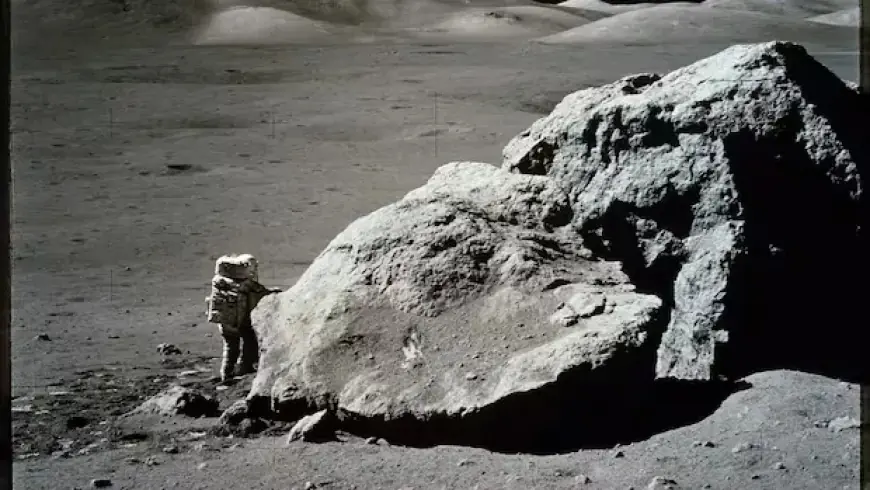
The return to the moon is not just historical; it is a pivotal moment for humanity’s future in space exploration. Following the last manned lunar mission, Apollo 17, in December 1972, the world has seen a transformation in space ambitions. After 53 years of relative inactivity on the lunar front, NASA’s Artemis program aims to change that landscape dramatically.
Why Are We Going Back to the Moon?
Many question the need to return to the moon. Experts argue that the moon serves as an essential site for scientific research and engineering development. “We go for science and we go for engineering development,” says Philip Stooke, a professor with the Institute for Earth and Space Exploration. He emphasizes the necessity of tackling challenging tasks that have not been attempted before.
Upcoming Lunar Missions
- Artemis II: Scheduled for early February, this mission will not land but will orbit the moon.
- NASA astronauts involved: Reid Wiseman, Victor Glover, Christina Koch, and Canadian astronaut Jeremy Hansen.
- Duration of the mission: 10 days.
- Artemis III: Planned for 2028, this mission aims to land astronauts on the lunar south pole.
Artemis II is a critical step in preparation for future human landings, enabling the team to test hardware and perform experiments that will assist Artemis III.
Global Interest in Lunar Exploration
The moon is emerging as a focal point for several countries. Alongside NASA, China’s lunar ambitions include sending humans to the moon by 2030, while India aims for a manned mission by 2040. Moreover, over 60 nations are collaborating through the Artemis program.
The New Space Economy
The interest in lunar exploration extends beyond national agencies to the private sector. Various companies are investing significantly in lunar endeavors, aiming for sustainable operations on the moon. There is a growing belief that the moon’s resources could be pivotal for future energy solutions, particularly helium-3.
Technological and Scientific Advancements
The scientific knowledge gained from lunar missions has far-reaching implications. Remote health monitoring systems developed from space medicine can aid medical practices on Earth. Technologies initially designed for space missions have led to advancements in everyday applications, including computing and food safety.
Job Creation and Economic Impact
The burgeoning space industry is generating new employment opportunities. Investments in lunar missions are yielding thousands of jobs, ranging from research positions to manufacturing roles.
Looking Towards the Future
As humanity prepares to return to the moon, the potential benefits are boundless. Ram Jakhu, a professor at McGill University, believes that the exploitation of lunar resources will require an extended commitment to sustain operations. The investment in lunar exploration will not only advance scientific knowledge but also foster economic growth across various sectors.
Ultimately, the future of humanity’s presence on the moon remains uncertain. Yet experts are optimistic about the potential for transformative advancements in technology and exploration, marking a new era in space exploration.