
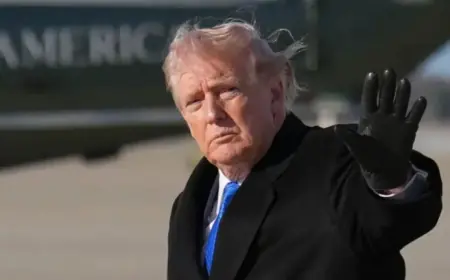






















Trump Declares National Emergency in Response to Cuba Situation

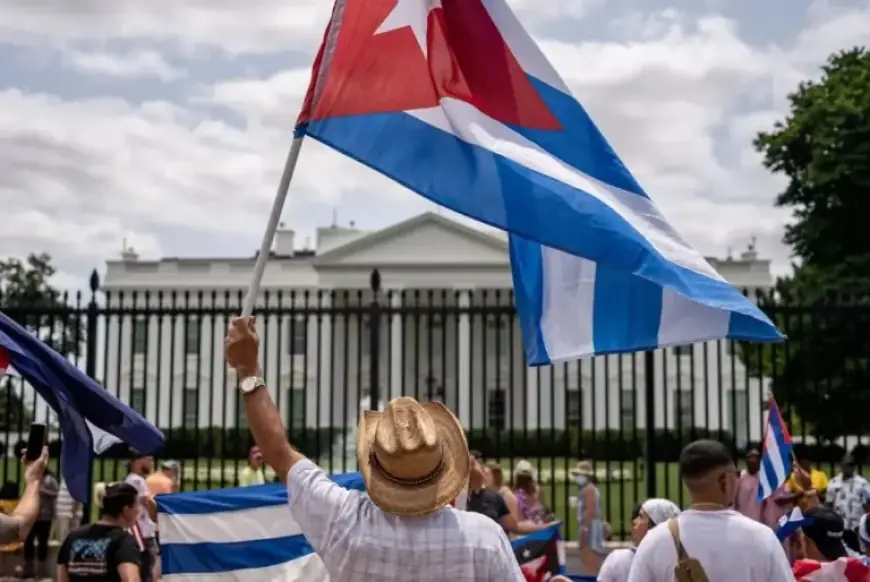
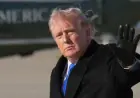
President Donald Trump has declared a national emergency regarding Cuba, which allows for new tariffs on oil imports from countries engaging with the island. This decision comes via an executive order issued on January 30, during his current term in office.
National Security Concerns
In his declaration, Trump stated that Cuba poses “an unusual and extraordinary threat” to American national security and foreign policy. The executive order establishes a tariff mechanism designed to penalize nations involved in oil transactions with Cuba. However, specific details on which imports will be targeted and the exact tariff rates remain unclear.
Use of Tariffs as a Punitive Measure
Tariffs have been a recurring tool for Trump to impose sanctions and facilitate negotiations. His administration has faced legal challenges regarding the extent of his powers to enact such measures without congressional approval. Currently, the Supreme Court is reviewing the legality of these tariffs under U.S. law, which traditionally grants Congress control over taxation.
Implementation of the Tariff System
The executive order empowers various secretaries—including those of Commerce, State, Treasury, and Homeland Security—to determine the applicability and rate of tariffs against nations that violate this directive. The basis for these actions includes Cuba’s connections to “numerous hostile countries and malign actors,” as well as its military capabilities.
International Relations and Accusations
- Cuba is accused of hosting Russia’s primary overseas signals intelligence facility.
- The country allegedly provides refuge for groups such as Hezbollah and Hamas, both aligned with Iran.
- Moreover, Cuba is already under a longstanding U.S. economic embargo, which restricts trade, finance, and travel.
Cuban Government Response
In response, Cuba’s foreign minister, Bruno Rodriguez, criticized Trump’s order as a total blockade. He asserted that the U.S. government’s portrayal of Cuba as a threat is unfounded and filled with inaccuracies. Rodriguez denounced the recent measures as aggressive actions against Cuba and its citizens, emphasizing that the real threat in the region stems from U.S. influence.
Future Implications
This national emergency declaration has reignited discussions regarding Trump’s stance on Cuba, particularly following recent events in Venezuela. Trump remarked that Cuba is poised for significant change, labeling it a “failing nation.” He expressed skepticism about Cuba’s ability to endure under current pressures, stating, “I think Cuba will not be able to survive.”