
























Kevin Warsh Faces Challenging Job, Not His First Encounter

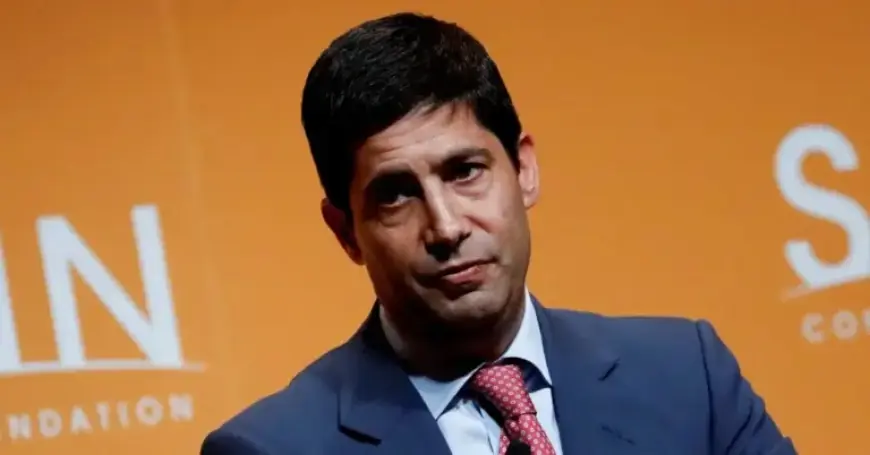
Kevin M. Warsh is poised to take on a significant role in American economic policy once again. The 55-year-old, who served as a Federal Reserve governor from 2006 to 2011, has been nominated by President Trump to chair the Federal Reserve. This nomination comes as Jerome H. Powell’s term concludes in May 2023.
Kevin Warsh’s Background and Experience
Warsh attended Stanford University, where he displayed his leadership skills as a chair of the student senate in May 1991. His commitment to impartiality during his tenure was evident when he assured peers he wouldn’t be swayed by political parties. After Stanford, he graduated from Harvard Law School in 1995 and joined Morgan Stanley, working in mergers and acquisitions.
His career trajectory led him to serve as an economic adviser and executive secretary at the National Economic Council under President George W. Bush. In 2006, Warsh faced skepticism regarding his age and experience when nominated to the Fed. A meeting with former Fed chair Paul D. Volcker helped ease these concerns, and he established himself as a skilled policymaker during his time at the Fed, especially during the 2008 financial crisis.
Warsh’s Leadership Qualities
- Proven ability to unite people and build consensus.
- Strong communicator and negotiator.
- Experienced in managing financial institutions.
Colleagues note his extraordinary skills in communication and leadership. Randal K. Quarles, former vice chair of the Fed, stated that Warsh possesses the “credentials, credibility, and horsepower” to excel in this role. His past efforts included brokering significant financial deals and liaising between the Fed and major financial institutions.
Challenges Ahead for Warsh
Warsh’s upcoming Senate confirmation is expected to be a rigorous process. Concerns linger about potential political influence over his monetary policy decisions. President Trump has publicly criticized Jerome Powell and his approach to interest rates, attempting to shape the narrative surrounding Warsh’s nomination.
Senator Thom Tillis has stated he will not confirm any Fed nominee until an ongoing criminal investigation into Powell is resolved, complicating Warsh’s path forward. Warsh needs to reassure both lawmakers and the American public that he prioritizes economic data over political pressure.
Expectations for Warsh as Fed Chair
If confirmed, Warsh will lead the central bank during a tumultuous time. His ability to build consensus will be crucial for policy decisions, especially regarding interest rates. His past advocacy against rate cuts during economic downturns contradicts his recent support for them, raising questions about his true stance as he prepares to take on this critical position.
Colleagues of Warsh expressed confidence in his abilities to navigate these challenges. His knack for persuasion will be vital in ensuring effective communication of the Fed’s decisions to the public. In this time of intense scrutiny, Warsh must demonstrate that he can maintain the Fed’s independence and adhere to its mandate of stabilizing prices and fostering a healthy labor market.