
























New SNP Tax Threatens Vital Scottish Sector’s Future

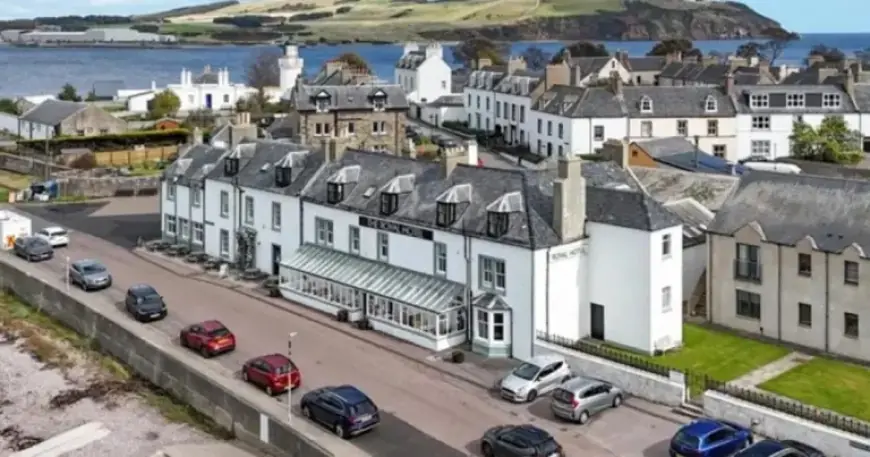
The impending SNP tax changes pose a significant threat to the future of essential sectors in Scotland, particularly the small hotel industry. As various challenges mount, including increases in operational costs, many small establishments are left vulnerable.
Rising Operational Costs
Leslie Callander, director of ASG Commercial, highlighted that UK-wide economic factors are deeply impacting businesses. These include:
- Significant increases in minimum wage.
- Higher National Insurance contributions.
- Surging energy expenses.
- Escalating insurance premiums.
Furthermore, Brexit has exacerbated staffing issues, adding another layer of complexity to the operational landscape.
Government Support and Proposed Tax Changes
The Scottish Government has introduced a support package totaling £322 million to assist businesses, as outlined in the recent Budget. However, looming changes in non-domestic rates, set to take effect in April 2026, threaten to elevate rateable values significantly for small hotels.
Impact on Small Hotels
Callander noted that boutique and independent hotels bear the brunt of these rising costs. Lacking the economies of scale of larger chains, they struggle to negotiate better rates with suppliers. The financial pressure on these establishments is intensifying.
Some owners may be forced to delay refurbishments or even sell their properties, leading to a decreased supply of accommodation. This reduction could adversely affect local economies, which often depend on tourism.
Market Challenges
The hotel sector is facing stagnant average daily rates and a noticeable decline in demand. This environment complicates profitability, particularly for smaller businesses. The disparity in market pressures across different accommodation tiers underscores the challenges for vulnerable sectors.
Government Measures
Shona Robison, the Scottish Finance Secretary, detailed the government’s efforts to alleviate some of the financial burdens. Measures include:
- A reduction in basic, intermediate, and higher property rates.
- Transitional relief amounting to £184 million over three years.
- 15% non-domestic rates relief for the upcoming year.
In remote areas, this relief extends to 100%, ensuring that more than 96% of retail, hospitality, and leisure businesses will benefit from reduced or zero rates.
The Road Ahead
Despite the support, Callander expressed concern regarding the overall impact of these measures. He emphasized that anticipated rate rises could escalate fixed costs for small hotels, putting further stress on their financial viability. Some owners may have to implement drastic cost-cutting measures or even consider closure.
As these changes unfold, the future of Scotland’s small hotel market hangs in the balance, raising questions about the sustainability of such vital economic contributors.