

























Drug Trio Blocks Tumor Resistance in Pancreatic Cancer Models

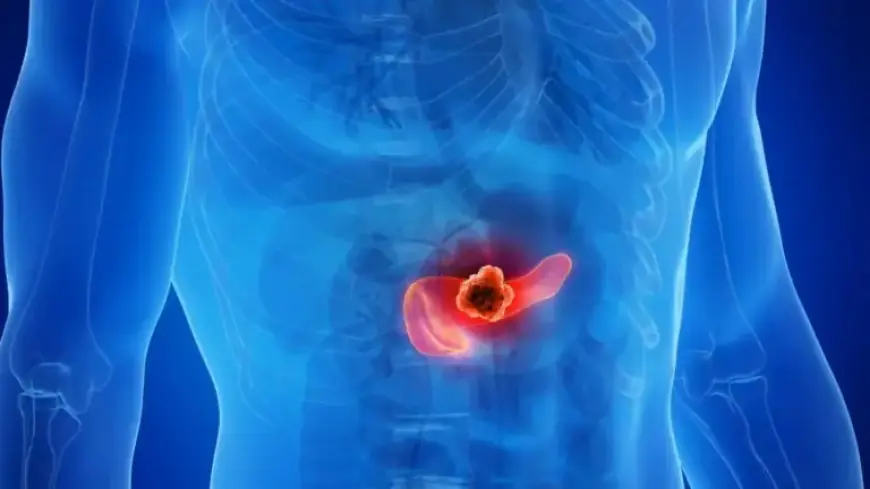
A recent study highlights a promising advancement in the treatment of pancreatic cancer. Researchers from the Spanish National Cancer Research Centre have developed a triple-targeted drug combination that induces significant regression of pancreatic tumors. This approach seeks to overcome the inherent treatment resistance associated with one of the deadliest forms of cancer, pancreatic ductal adenocarcinoma (PDAC).
Triple Inhibition Strategy Against Pancreatic Cancer
Pancreatic cancer poses significant treatment challenges, evidenced by its low survival rates and limited therapeutic options. The innovative research aims to tackle these issues by simultaneously targeting three critical signaling pathways involved in tumor growth. These pathways include RAF1, EGFR family receptors, and STAT3 signaling.
Key Components of the Therapy
- RMC-6236 (daraxonrasib): Targets KRAS mutations.
- Afatinib: An inhibitor of EGFR family receptors.
- SD36: A selective degrader of STAT3.
This combination was tested using orthotopic mouse models of PDAC, closely mimicking natural tumor environments. Results demonstrated not only a reduction in tumor size but also an absence of tumor growth for over 200 days post-treatment.
Broad Efficacy Observed
The research extended its results beyond engineered mice to genetically engineered tumors and human cancer tissues in patient-derived xenografts (PDX). This broader efficacy suggests potential for developing new clinical trials aimed at benefiting patients with PDAC.
Addressing Treatment Resistance
A key challenge in cancer therapies is the development of resistance. The new combination strategy appears to prevent relapse by targeting multiple critical nodes of tumor signaling simultaneously. The authors emphasized the need for coordinated inhibition of the KRAS pathway’s upstream, downstream, and parallel survival routes.
Future Clinical Implications
While further research is required before human trials can commence, the findings from this study represent a significant step toward developing more effective therapies for pancreatic cancer. The capability to achieve complete and lasting tumor regression in preclinical models unveils strong potential for future multi-targeted approaches in clinical settings.
By paving the way for innovative treatment strategies, this research brings new hope to the fight against pancreatic cancer, emphasizing the importance of overcoming therapeutic resistance.