
























Middle East Allies Urge Trump Against Striking Iran Amid Military Buildup

The ongoing military buildup in the Middle East has prompted strong calls from regional allies for diplomatic solutions to tensions with Iran. Countries such as Turkey, Oman, and Qatar have voiced their concerns over potential U.S. strikes against Iran as preparations intensify. These allies are advocating for dialogue to address issues surrounding Iran’s nuclear weapons and ballistic missile programs.
Recent Developments in U.S.-Iran Relations
Despite efforts for diplomacy, talks between the U.S. and Iran have not yet gained momentum. This has become particularly evident following an Israeli military intelligence chief’s recent trip to Washington for discussions at the Pentagon and other agencies.
Key Meetings and Statements
- The Israeli intelligence chief confirmed meetings with U.S. officials.
- The Saudi Defense Minister is also scheduled to meet with U.S. leaders.
- Saudi Crown Prince Mohammed bin Salman explicitly forbade the use of Saudi territory for strikes against Iran.
- The UAE echoed this sentiment, vowing not to assist in any military actions against Iran.
In Iran, thousands of protesters have faced violence amidst a major crackdown due to economic and political grievances. Internet access has been almost entirely restricted for over two weeks, complicating communication efforts.
Military Buildup and Diplomatic Stalemate
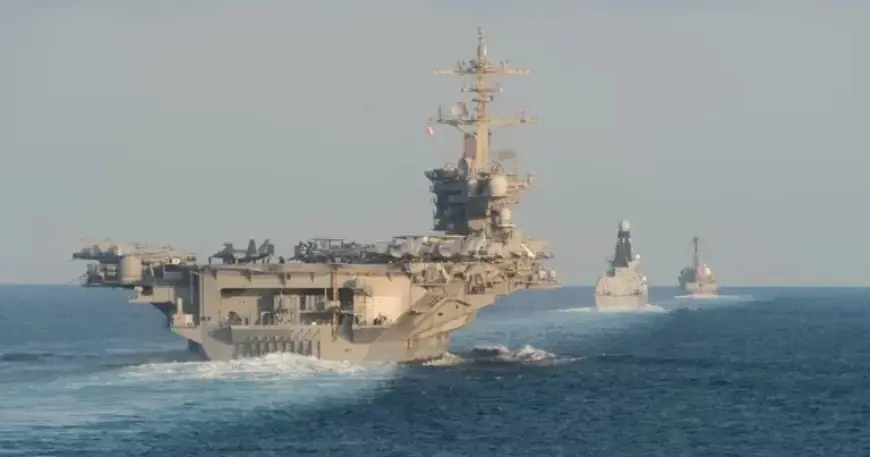
U.S. President Donald Trump has indicated a significant military presence in the region, including the deployment of the USS Abraham Lincoln aircraft carrier and several escort destroyers. This naval presence reflects renewed tensions and serves as a warning to Iran.
Trump’s Stance on Iran
President Trump has expressed an interest in engaging Iran diplomatically, insisting on two key demands: an end to nuclear efforts and a cessation of violence against protesters. Yet, many remain skeptical about U.S. intentions, recalling previous military actions despite ongoing diplomatic discussions.
Potential Outcomes and Implications
Secretary of State Marco Rubio highlighted the complexities of potential regime change in Iran. He noted that while Iran’s government appears weakened, the likelihood of an overhaul resulting from protests remains uncertain. The response to dissent has intensified, demonstrating the regime’s willingness to employ lethal force effectively.
The situation remains fluid, with estimates of protest-related fatalities reaching between 12,000 and 20,000 as reported by various activist groups. However, these numbers have not been independently verified.
U.S. Military Presence
Currently, an estimated 30,000 to 40,000 American troops are stationed at multiple facilities across the Middle East. This military posture is primarily defensive, aimed at protecting U.S. interests from Iranian threats.
As diplomatic efforts wane, the risk of confrontation continues to grow, with Middle Eastern allies urging restraint and the pursuit of dialogue over military action. The dynamics of U.S.-Iran relations remain critical as the region navigates the current crisis.