

























Is Gold’s Safety Overstated Despite Potential Climb?

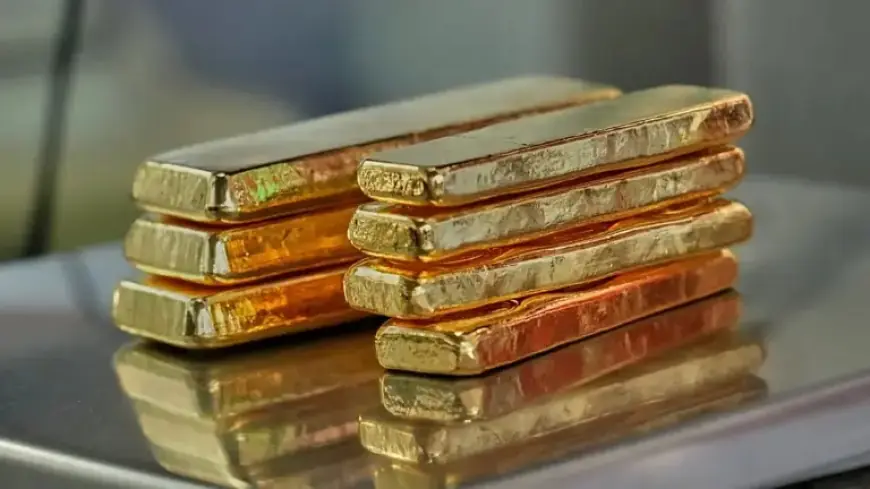
Gold has experienced a significant increase of over 15% since the beginning of the year, recently surpassing the $5,500 milestone. This surge in value aligns with a rise in other commodities, such as silver and platinum. Various factors are driving this trend, including geopolitical tensions, soaring government debt, and uncertain projections for inflation and interest rates.
The Safe Haven Appeal of Gold
Gold is often viewed as a safe haven asset, particularly in times of economic instability. It serves as a hedge against inflation and typically gains value when the U.S. dollar declines. As a tangible and finite resource, gold provides a sense of security for investors, especially as concerns about both the dollar and fiat currencies like the Japanese yen grow.
Rising Economic Concerns
The increasing government debt has amplified fears regarding inflation and fiscal stability. In the United States, controversial policies and rhetoric from the Trump administration have heightened market uncertainties. The President’s recent threats and actions, including potential intervention in foreign countries and imposing tariffs, have led some analysts to believe that investors are moving away from the dollar.
Shifts in Investment Strategies
- Gold is emerging as a viable alternative to fiat currencies.
- Concerns about the safety of U.S. Treasuries have prompted a reevaluation by global investors.
- Experts suggest that the dollar’s debasement significantly influences gold prices.
Simon Popple, managing director at Brookville Capital, noted that the changing perceptions of wealth allocation among countries are reshaping investment strategies. He stated, “The dollar debasement helps the gold price.” This sentiment has contributed to a notable increase in buying activity as more people notice gold’s market movements. Chris Beauchamp, chief market analyst at IG, remarked, “People are naturally drawn to things they see moving,” emphasizing the impact of momentum on market interest.
Gold’s Long-Term Viability Under Scrutiny
Despite its favorable investment characteristics, Beauchamp warns that gold’s stability as a short-term store of value is often exaggerated. The metal’s market role drastically shifted post-1971 when the U.S. abandoned the gold standard, allowing currencies to float. Consequently, gold’s perceived status as a secure asset may not align with current market realities.
Comparing Gold and Cryptocurrency Volatility
The volatility of both gold and cryptocurrencies raises important questions about their reliability as stores of value. Kenneth Lamont from Morningstar’s Manager Research Department emphasized that both assets can experience significant price drops. “If you’re using either crypto or gold to buy something, it might be 30% less from one day to the next,” he noted.
While gold has a more established historical performance than cryptocurrencies, its unpredictability highlights the resilience of fiat currencies in the investment landscape. Despite a recent 3% decline in gold prices, experts believe that ongoing global political instability could propel further gains in the upcoming months.