
























Melania Trump movie goes wide as first lady’s documentary heads to theaters

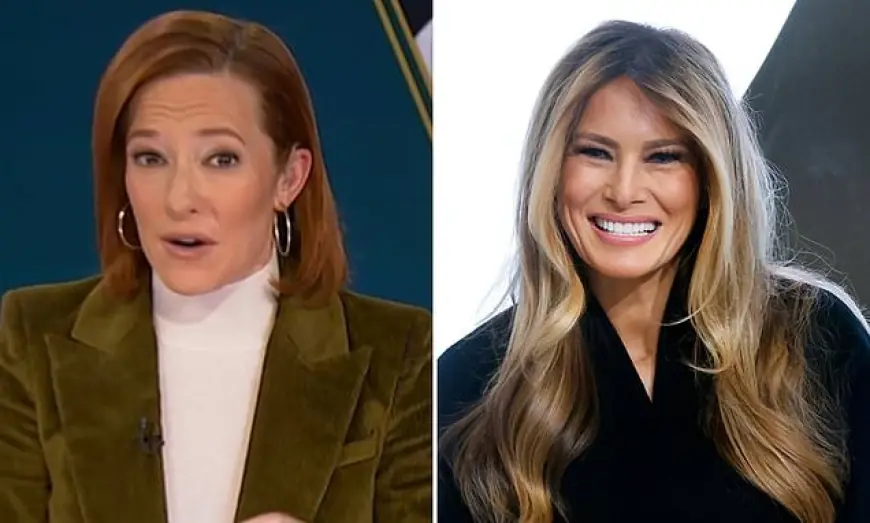
The Melania Trump movie arrives in theaters Friday, Jan. 30, 2026, turning a closely watched political figure into the subject of a glossy, big-screen documentary at an unusually large scale. Titled Melania, the film follows First Lady Melania Trump through a tightly framed window leading into her husband’s return to the White House, mixing private access with public imagery in a release that is already drawing debate about power, publicity, and profit.
By late Thursday ET, the project had already staged a high-profile premiere in Washington, with a broader North American rollout expected to follow immediately and international screenings planned shortly after. Further specifics were not immediately available about the final theater count, which can still shift up to opening day.
Inside the film’s focus and why the timing matters
The documentary is structured around a short, intense period as the Trumps transition back into Washington, presenting Melania Trump as both a private spouse and a public operator preparing for a second stint in the East Wing. The stated aim is an “intimate chronicle,” but the release has also become a statement about how modern political celebrity now overlaps with mainstream entertainment marketing.
The film is directed by Brett Ratner, a choice that has sparked renewed scrutiny because of misconduct allegations that led to his long absence from Hollywood work. The production’s decision to center him has become part of the conversation around the movie itself, not just an industry footnote.
Some specifics have not been publicly clarified about how much editorial control was retained by the first lady’s team versus the filmmakers, including how decisions were made about what footage and topics would be included or left out.
A rare theatrical push for a documentary with a premium price tag
The unusual element here is scale. Documentaries can play theaters, but wide releases are far less common unless the subject is a cultural event or the marketing budget is built to match a mainstream opening. In this case, the film’s financial footprint has been described in headlines as well beyond the typical documentary range, with figures reported in the tens of millions. The exact budget and total marketing spend have not been confirmed publicly in one authoritative number, and different figures have circulated.
That size matters because it changes expectations. A small documentary can “win” by becoming a streaming hit; a wide release invites box-office comparisons, weekend drop-off tracking, and the kind of performance narrative usually reserved for studio films.
The film’s rollout has also intensified questions about the optics of a sitting first lady participating in a major commercial entertainment release while national politics remain volatile. Supporters argue it humanizes a famously private public figure; critics argue it blurs lines between governance, branding, and personal enterprise.
How a documentary gets from private access to a national rollout
A theatrical documentary typically follows a straightforward pipeline: producers secure financing, obtain access to the subject, film through a defined period, then sell distribution rights for theaters and later home viewing. The distributor handles bookings with theater chains, sets release timing, and coordinates marketing. The key is risk management: theaters want evidence of demand, while the distributor wants enough screens to make the opening feel like an “event.”
Because this film is tied to an internationally recognizable political family, demand can be strong in some markets and soft in others, which is why the opening weekend is pivotal. If early ticket sales deliver, theaters expand showtimes and keep screens longer. If not, the run can contract quickly, pushing the movie toward its next window in home viewing.
Key terms have not been disclosed publicly about the exact timing of the film’s home-release window, including whether it will be measured in weeks or tied to performance thresholds.
Who is affected, and what comes next after opening night
The stakeholders extend far beyond the Trumps. Theater operators and staff are directly affected by whether the film drives turnout, which influences staffing, concessions revenue, and future willingness to book documentary-style events at scale. Political observers and advocacy groups are also watching how a commercial film release reshapes public narratives around the first lady’s role and influence.
Inside the entertainment business, producers and financiers are paying attention for a different reason: whether a documentary centered on a polarizing political figure can deliver sustained ticket sales rather than a short burst of curiosity. And for audiences, the impact is practical as well as cultural—this is a test of whether politically adjacent content is becoming a routine theatrical product rather than a niche category.
The next verifiable milestone is the opening weekend box-office result through Sunday night, Feb. 1, 2026, followed by the first major update on how long the film will remain on wide release before shifting to home viewing.