Noah Centineo’s next-act test: how the heartthrob-turned-leading man is trying to outrun typecasting

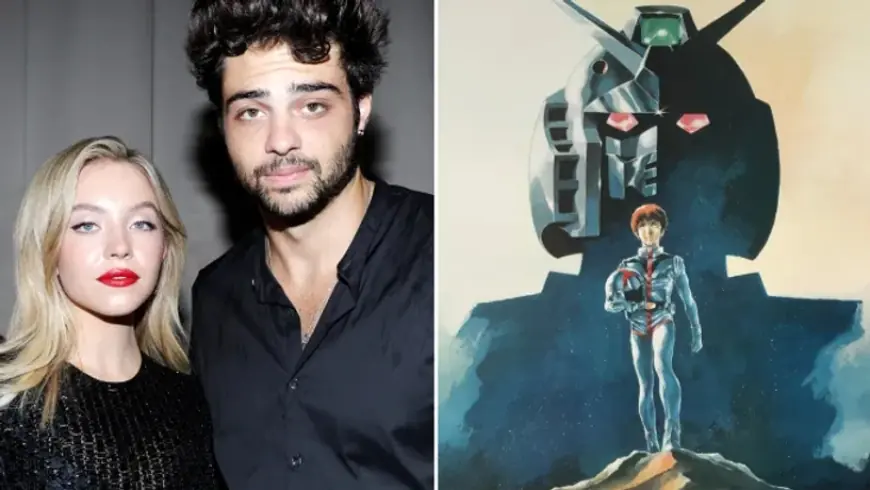
Noah Centineo is trending again, and the spike says as much about modern celebrity economics as it does about one actor’s résumé. Centineo’s career has become a case study in what happens when a breakout role turns you into a cultural shorthand—and how hard it is to evolve once audiences think they already know what you are.
He rose fast on charm, then spent the years after trying to prove he’s more than the “nice guy” archetype. That push is now running into a familiar crossroads for actors who become famous young: choose the safe lane that keeps the fan base warm, or take bigger swings that risk a colder reception but build a longer career.
Noah Centineo and the breakout that became a brand
Centineo’s early rise was powered by romantic leads that made him instantly legible to a mass audience: approachable, funny, emotionally available. In the attention economy, that kind of clarity is a superpower—until it becomes a box.
What looks like “overnight success” from the outside often functions like a permanent label from the inside. Once an actor becomes a meme-able template, every subsequent role gets filtered through the original imprint. If he plays sweetness again, critics call it repetitive. If he plays against it, critics call it a stunt. That’s the trap of early branding: you can’t win by repeating it, and you can’t escape it without paying a price.
Behind the headline: why Noah Centineo keeps pivoting
Centineo’s recent choices signal a deliberate strategy: broaden the palette. Action roles, higher-stakes dramas, and projects with more physicality all do the same thing—move the public’s mental image away from “rom-com boyfriend” and toward “leading man.”
The incentives are straightforward:
-
Longevity beats virality. Romantic breakout fame is intense but often short-lived unless it becomes a bridge to wider roles.
-
The market rewards versatility. Casting decision-makers tend to favor actors who can plausibly anchor different genres, not only one.
-
Risk is a signal. Taking roles that split opinion can communicate ambition and seriousness, even when the project itself is divisive.
But there’s a hidden constraint: every pivot has to still be believable. Audiences accept reinvention when it feels earned. If the switch looks like pure rebranding—muscles, darker lighting, tougher dialogue—people sense the calculation and resist it.
The stakeholders shaping Noah Centineo’s trajectory
Centineo’s career path isn’t only about taste; it’s negotiated among multiple groups with competing goals:
-
Representation teams want leverage: bigger paydays, better billing, and control over the next “identity” role.
-
Producers and directors want reliability: an actor who can bring an audience without overwhelming the story.
-
Fans want continuity: they follow the person they fell for, and pivots can feel like abandonment.
-
Critics and online culture want novelty: the internet rewards either “he’s the same” or “he’s totally different,” rarely the gradual middle.
Those pressures create a perverse outcome: gradual growth is best for craft, but dramatic swings are best for attention.
What we still don’t know about Noah Centineo’s next move
The current surge in interest also reflects uncertainty. People are searching because they expect a new headline—casting news, a major release, a public appearance, or a next-project reveal. What’s missing is the one detail that turns curiosity into narrative: what kind of role he’s choosing to define this chapter.
Key questions to watch:
-
Is he prioritizing one flagship project that cements a new identity, or stacking smaller roles to prove range?
-
Will he return to romance as a “controlled reset,” or avoid it to prevent sliding back into the old category?
-
Does he lean into action long-term, or treat it as a transitional phase toward more character-driven work?
Without those answers, the discourse stays speculative and image-based rather than grounded in work.
Second-order effects: what Noah Centineo’s choices signal for the wider star system
Centineo’s arc is part of a broader shift: the old ladder from breakout to movie star has fractured. Streaming-era fame can be massive, but it doesn’t automatically translate into theatrical draw or prestige credibility. That forces actors to build careers more like portfolios—genre balance, audience segments, and risk management—rather than a single climb up a single hierarchy.
It also changes how audiences participate. Viewers don’t just watch; they campaign. They argue for pairings, demand sequels, police “authenticity,” and judge roles as personal statements. For a young star, that can turn every project into a referendum.
What happens next for Noah Centineo
Here are realistic scenarios and the triggers that would drive them:
-
A definitive rebrand lands
Trigger: a critically respected role that’s distinct enough to reset public perception. -
He embraces the original lane—on his terms
Trigger: a romance project that adds complexity and avoids the old template, reframing rather than repeating. -
The action-leading-man path solidifies
Trigger: a successful franchise or sequel that proves consistency, not just a one-off attempt. -
A quieter craft-first phase
Trigger: smaller roles, ensembles, or character parts that trade spotlight for credibility.
Noah Centineo’s trend cycle isn’t just fandom chatter. It’s a live readout of how modern stardom works: identity forms quickly, and reinvention takes years. The next project that gives people a clear “this is who he is now” will decide whether this moment becomes a brief spike—or the start of a longer second act.