Josh Gad and Joe Pantoliano Join the Wonder Man Cast in Meta Cameos That Turn the Series Into a Hollywood Satire

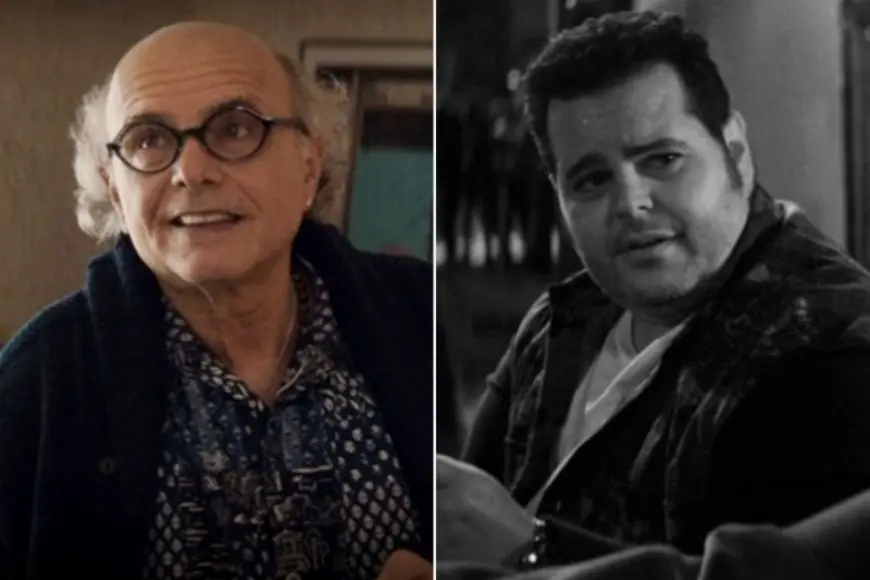
Two unexpected names are now driving much of the post-premiere chatter around Wonder Man: Josh Gad and Joe Pantoliano, both appearing as heightened, self-referential versions of themselves in a show that’s less a standard superhero origin story and more a comedy about the entertainment industry that just happens to take place in a superhero universe.
The eight-episode season dropped in full on Tuesday, January 27, 2026 (ET), and viewers quickly zeroed in on how the series uses celebrity “as themselves” casting not as a winking Easter egg, but as a structural tool to sell its Hollywood-insider premise.
What Happened: Why Gad and Pantoliano Are Suddenly Central to the Wonder Man Conversation
Unlike most superhero series that treat celebrity cameos as brief drive-bys, Wonder Man builds its world around show business: auditions, reputations, desperation, networking, and the fragile ecosystems that decide who gets hired and who gets forgotten. Into that setting, Gad and Pantoliano arrive as recognizable “real-world” actors who can instantly communicate status, taste, and industry friction without lengthy exposition.
Gad’s appearance is tied to the series’ standout industry-skewering detour episode, while Pantoliano’s role has a broader footprint across the season, including key moments late in the run that tie directly into the show’s theme of image management.
Wonder Man Cast: Where the Core Ensemble Fits
At its center, Wonder Man follows Simon Williams, played by Yahya Abdul-Mateen II, as a struggling actor chasing a career break while hiding that he can manipulate powerful energy. Ben Kingsley returns as Trevor Slattery, an actor clinging to relevance and reinvention, and their odd-couple pursuit of a big role anchors the show’s comedy and emotional spine.
The officially promoted main cast also includes X Mayo, Arian Moayed, Zlatko Burić, and others who populate the show’s Hollywood ecosystem of agents, directors, producers, and fellow performers. The cameos work because they enter an already established machine that’s built to digest famous people and spit them back out as story.
Josh Gad’s Role: A Darkly Comic “Industry Devil” Moment
Gad appears in the fourth episode, a chapter that functions like a mini-movie inside the season. His on-screen persona is intentionally exaggerated: charming at first, then corrosive, with the kind of confidence and influence that can redirect someone’s entire life with a few flattering sentences. In the episode’s logic, he becomes the catalyst that nudges another character toward ambition, power, and eventual consequences.
The effect is not subtle. The show uses Gad’s public image—friendly, funny, broadly recognizable—and flips it into something sharper, turning “celebrity energy” into a narrative weapon. It’s a reminder of what the series is really satirizing: not fame as glamour, but fame as leverage.
Joe Pantoliano’s Role: Rivalry, Recasting, and the Business of Reinvention
Pantoliano’s involvement plays differently. Rather than one contained showcase, he shows up as part of the show’s ongoing exploration of competition and resentment among working actors. He is positioned as a bitter rival to Trevor Slattery, a relationship that lets the series mine comedy from professional insecurity while also landing a more serious point: in Hollywood, you’re always one scandal, one misstep, or one bad headline away from being replaced.
That idea becomes literal late in the season when the show’s movie-within-the-show loses an actor and the production simply plugs in a new name. The joke is cruel because it’s plausible: the machine keeps rolling, and personal drama becomes just another line item on a call sheet.
Behind the Headline: Why This Casting Choice Is More Than a Gag
Context: Superhero television has been criticized for flattening everything into identical tones and stakes. Wonder Man pushes back by making the entertainment industry itself the villainous system—ego, branding, desperation, and the pressure to perform a version of yourself for money.
Incentives: The studio has strong incentives to differentiate its output, especially as audience fatigue grows. Celebrity-as-themselves casting is a fast shortcut to authenticity. For the actors, the incentive is creative: a chance to play against type, mock their own personas, and participate in something that feels fresher than a conventional cameo.
Stakeholders: Viewers who want either sincere superhero storytelling or pure satire are both being negotiated with here. The franchise also has reputational skin in the game: meta comedy can broaden appeal, but it can also alienate fans who want the universe to feel internally “real.”
Missing pieces: It’s still unclear how far the show intends to extend the “real-world celebrity” layer. Are these one-off jokes, or the beginning of a recurring approach where Hollywood itself becomes a standing character? And if the series continues, will Gad’s character thread be revisited in a meaningful way, or left as a deliberately unresolved cautionary tale?
Second-order effects: If audiences respond well, this model could encourage more superhero projects to lean into genre hybrids—comedy, mockumentary, industry satire—rather than defaulting to world-ending stakes. It also raises the bar for cameos: once “celebrity as themselves” is used to advance theme and plot, quick wink-only appearances can feel thin.
What Happens Next: Scenarios to Watch
-
A second season gets greenlit if viewership and retention support the show’s riskier tone, with Gad and Pantoliano potentially returning in expanded arcs.
-
The “Hollywood satire” angle becomes a template for other projects, using the superhero universe as a backdrop for more grounded industry and culture stories.
-
The studio pulls the concept back if the meta elements polarize audiences, keeping future series more traditional in structure.
For now, the takeaway is simple: Josh Gad and Joe Pantoliano aren’t random stunt casting. In Wonder Man, they’re tools—used to sharpen the series’ central argument that in Hollywood, the most dangerous superpower is influence, and the most brutal magic trick is replacement.