
























Chancellor Overlooks Unfairness in Student Loans, Public Outraged

The recent outrage regarding student loans has sparked significant debate among the British public. Unfairness in student loans is a pressing issue, drawing attention to the impact of these financial burdens on graduates. The introduction of student loans under the Blair administration has evolved into a complicated and potentially damaging system.
Background on Student Loans
Student loans were initiated as a means to finance higher education without imposing a direct income tax. This approach aimed to address the financial constraints of expanding university access. However, the system has transformed into what many consider a perpetual debt, difficult to repay and oppressive for young graduates.
Statistics and Financial Impact
- Approximately 5.8 million individuals have taken out student loans since 2012, under the “Plan 2” repayment scheme.
- Interest for these loans is currently pegged to inflation, with rates potentially reaching as high as 7.2%.
- If inflation rises, borrowers could face rates exceeding 10%, posing a risk to their financial stability.
Public Sentiment and Criticism
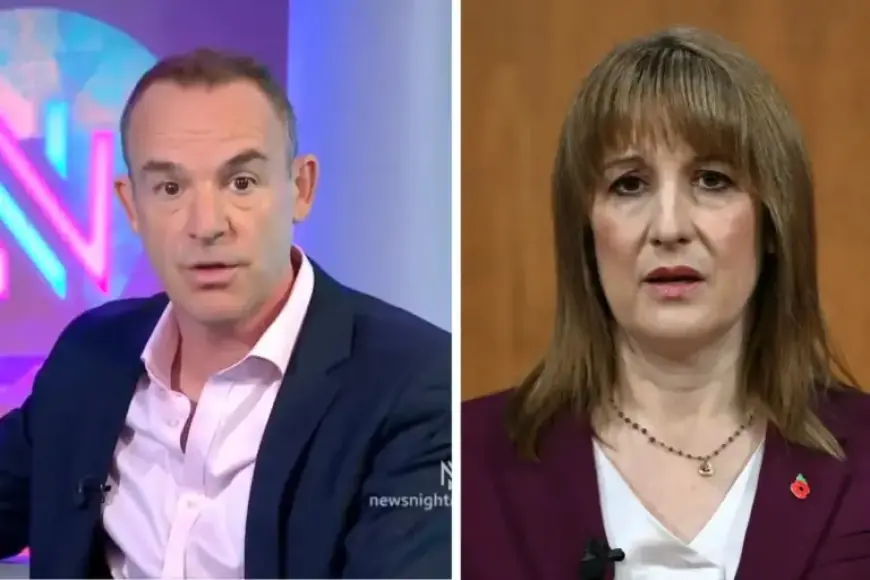
The severity of the student loans has led to widespread calls for reform. Critics argue that the system disproportionately burdens young graduates, placing them under financial strain while benefiting older generations who received free education. Prominent figures, such as Martin Lewis, have highlighted the moral implications of this system, calling it poorly designed and unfair.
Political Perspectives
Political debate continues over the ethicality of the student loan system. Rachel Reeves, a key political figure, has argued that those who do not attend university should not bear the financial weight of funding others’ education. However, this perspective has been challenged by many who assert that a well-structured tax system should account for the increased contributions of educated individuals.
The Call for Reform
Given the complexities surrounding student loans, there is a growing consensus that the current system is flawed. Many advocates argue for its complete elimination, suggesting that access to education should not translate into a lifetime of debt. By ensuring equitable financing, the benefits of higher education can be shared more broadly across society.
Moving forward, it’s essential to revisit the policies governing student loans to promote fairness and economic sustainability for future generations. The public deserves a system that truly supports educational growth without imposing excessive financial burdens post-graduation.