
























Nicki Minaj in the Spotlight Again as Politics, Online Feuds, and Her Husband’s Legal Issues Collide

Nicki Minaj is back at the center of a fast-moving public conversation that blends entertainment, politics, and the continuing scrutiny around Nicki Minaj husband Kenneth Petty. In late January 2026, Minaj drew renewed attention for her high-profile political appearances and heated online clashes, while court activity tied to a civil judgment connected to Petty has also resurfaced in the news cycle.
The convergence has left fans and industry watchers parsing what is confirmed, what is still developing, and what comes next for the superstar’s public-facing era.
A political moment sparks fresh backlash and questions
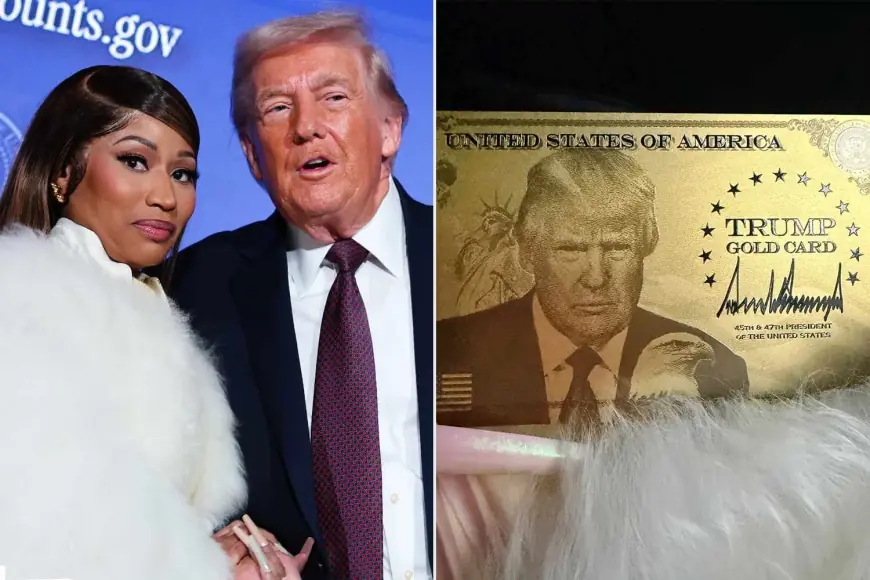
Minaj’s latest headlines accelerated after she appeared at a prominent event connected to President Donald Trump and publicly praised him in stark terms. The reaction was immediate and polarized, with some supporters cheering and others expressing disappointment or anger, particularly as broader national debates over immigration enforcement and culture-war flashpoints continue.
Alongside that political attention, Minaj has been involved in a separate online dispute with a well-known TV journalist, where her posts were widely criticized as offensive. The episode added fuel to an already intense discussion about celebrity influence, accountability, and the limits of “clapback” culture in 2026.
Some critics have framed Minaj’s political alignment as strategic and have speculated about whether it connects to legal concerns involving her family. No public documentation has confirmed any formal request for a pardon or similar relief tied to Minaj’s husband or relatives. Further specifics were not immediately available.
Nicki Minaj husband Kenneth Petty and the civil judgment tied to an alleged assault
Attention has also returned to Kenneth Petty because of a civil case stemming from a backstage incident in Germany involving a security professional who said he was assaulted. Court filings in the underlying case alleged Petty struck the man, and a judgment of roughly half a million dollars was awarded.
In January 2026, developments indicated that the judgment was satisfied, avoiding the possibility of a forced sale involving Minaj’s Hidden Hills, California home that had been discussed in prior court proceedings. Key terms have not been disclosed publicly regarding how the payment was structured, including whether the resolution involved a lump-sum payment, timing arrangements, or related fees beyond the judgment amount.
Petty’s legal profile has remained a continuing topic because of his past convictions and supervision requirements, including obligations connected to sex-offender registration and prior restrictions that have affected travel. Those facts have shaped the public narrative around the couple for years, even as Minaj has consistently defended her marriage and emphasized that their relationship predates her fame.
How enforcement works when a court judgment goes unpaid
Civil judgments do not automatically collect themselves. When a court orders payment and the losing side does not pay, the winner can pursue enforcement tools that vary by state, including liens, wage garnishment, bank levies, or attempts to seize and sell certain assets.
In cases involving real property, a court can evaluate whether a forced sale is a lawful and practical way to satisfy the debt, especially when equity may exist after mortgages and exemptions are accounted for. If the debtor pays the judgment, the typical next step is paperwork showing the judgment has been satisfied, which can halt enforcement efforts and remove related constraints. That is why a single filing or court order confirming satisfaction can be a pivotal turning point, even if the underlying dispute remains part of a public narrative.
What it means for fans, touring partners, and the broader brand
The immediate impact is felt by at least two groups. First, fans, including those who follow Minaj closely, are dealing with a louder-than-usual mix of non-music headlines that can dominate timelines and fan spaces, influencing how new announcements are received. Second, promoters, venues, tour staff, and brand partners tend to watch controversy cycles carefully, because reputational volatility can affect sponsorship comfort, marketing plans, and security costs, even when an artist’s ticket demand remains strong.
There is also a ripple effect for advocacy communities that pay close attention to high-profile rhetoric and legal histories, especially when a celebrity’s political messaging overlaps with issues like immigration enforcement, criminal justice, and public safety. The debate is not just about Minaj’s opinions; it is about how fame amplifies them and how quickly narratives harden before all details are clarified.
The next concrete milestone is procedural rather than musical: court records typically reflect a satisfaction of judgment through a formal filing and, in some instances, a follow-up order confirming enforcement actions are closed. In the days ahead, any additional court filings tied to that closure, as well as any official tour or release announcements from Minaj’s camp, will determine whether this moment fades or expands into a longer-running 2026 storyline.