

























GM Cuts Third Shift at Oshawa Plant, Affecting 1,000 Jobs: Unifor

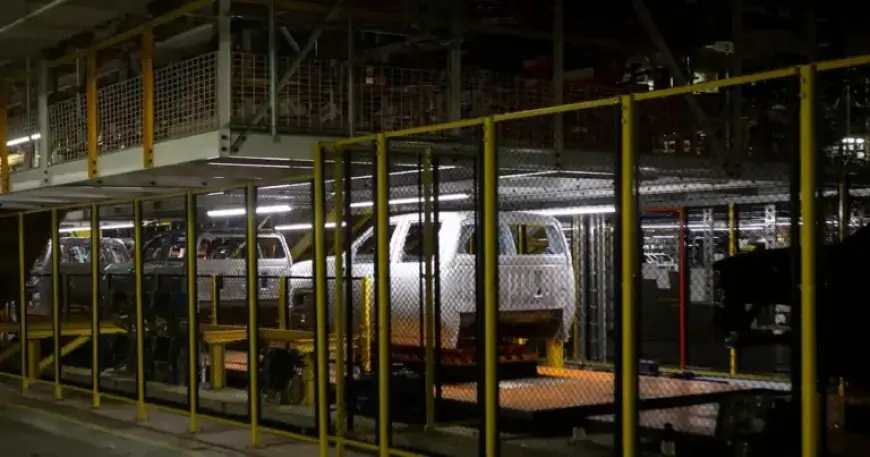
General Motors is implementing significant workforce reductions at its Oshawa facility, resulting in the loss of approximately 1,000 jobs. This decision comes as the company officially cuts its third shift, effective this Friday.
Details of Job Losses at Oshawa Plant
The layoffs will directly impact 700 employees at the Oshawa plant, along with an additional 300 workers from supplier companies. Kathleen O’Keefe, the communications director for Unifor, confirmed the job losses in a recent statement. The union has expressed deep concerns regarding this decision.
Background on GM’s Decision
This move is part of General Motors’ strategy to consolidate operations, shifting many roles to facilities in the United States. Unifor highlighted that the company had previously announced that it would maintain three shifts at the plant until early 2026, but has altered its plans.
Financial Context
Despite the ongoing trade tensions, GM reported a substantial profit of $10 billion in North America. This profit comes in a challenging economic environment where tariffs have led to significant losses. The union emphasizes that autoworkers are facing increasing uncertainty and instability during this time.
Concerns Over Future of Electric Vehicles
Unifor has raised alarms about the implications of a new trade deal, which allows for 20 percent of the electric vehicle market to include models manufactured in China. This development raises critical questions about the future of domestic auto jobs as the industry transitions to electric vehicles.
- Job losses: 1,000 total (700 GM employees, 300 supplier workers)
- Effective date: This Friday
- Company profits: $10 billion in North America
- Future shift plans: Originally set to operate three shifts until early 2026
- Trade deal implications: 20% of EV market could include Chinese-made vehicles
The transition in job structure at GM’s Oshawa facility reflects broader challenges facing the auto industry amid evolving trade policies and market conditions. Workers and unions are advocating for stability and protection of jobs during this critical transition period.