





















Opinion: Atlanta ICE Surge Calls Highlight Right-Wing Relevance Pursuit

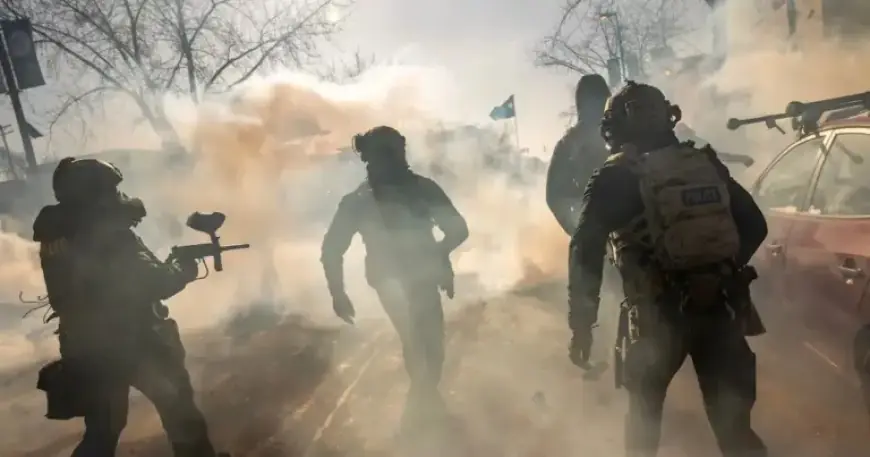
In recent months, the situation surrounding ICE activities in Atlanta has drawn sharp criticism, especially from right-wing factions. The turbulence kicked up by these activities has drawn direct parallels to various incidents involving law enforcement and protests across the nation.
Key Events and Context
On January 24, 2026, federal agents shot and killed Alex Jeffrey Pretti, a 37-year-old registered nurse, in Minneapolis. The incident occurred near 26th Street and Nicollet Avenue during escalating clashes between protesters and law enforcement. This event was just two weeks after an ICE agent had killed another individual, prompting further protest actions.
The shooting of Pretti starkly highlighted the contentious relationship between federal law enforcement and local community members, leading many to view these agents as occupying forces rather than protectors.
Political Repercussions in Atlanta
In Atlanta, the implications of these events resonate deeply within the political landscape. U.S. Representative Buddy Carter, a Republican from St. Simons Island, has recently become a vocal supporter of these federal actions, aligning with right-wing perspectives on law enforcement and immigration.
On January 11, 2026, he was seen supporting local events, emphasizing his commitment to strong immigration enforcement amidst ongoing tensions. This backdrop provides a fertile ground for political debates as community members grapple with the increasing frequency of ICE-related incidents.
Public Sentiment and Community Response
- The shooting of Alex Pretti provoked outrage among residents, leading to widespread protests against federal law enforcement practices.
- Advocates for change highlight the broader implications of aggressive ICE operations in neighborhoods.
- As protests continue, there are increasing calls for accountability from local officials regarding law enforcement actions.
Conclusion
The dynamic between federal agents and community members in Atlanta raises critical questions about the intersection of immigration policy, civil rights, and public safety. As these conversations unfold, the relevance of right-wing positions in shaping immigration enforcement will remain a focal point in the ongoing dialogue.