





















Trump Administration Rejects Coercion Claims in Minnesota ICE Surge

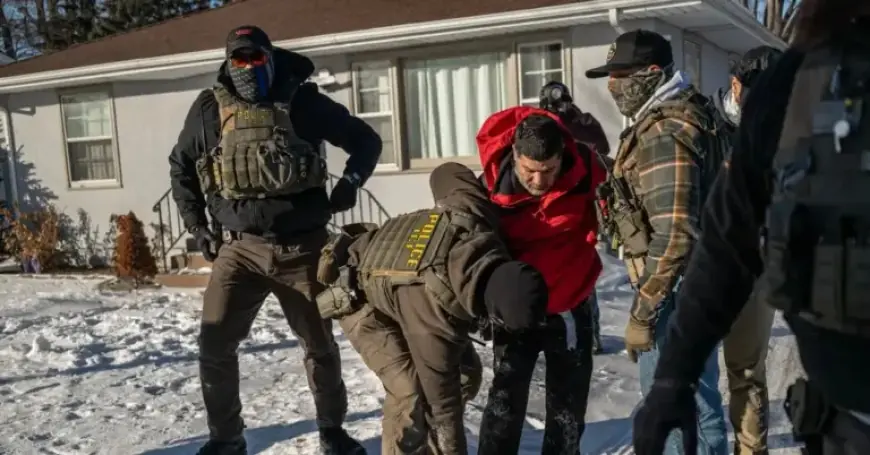
In a legal dispute concerning federal law enforcement’s presence in Minnesota, the Trump administration has rejected claims of coercion levied by state and local officials. The administration’s arguments were presented in court on Wednesday, where lawyers stated that the recent surge of federal agents is a legitimate law enforcement action.
Background of the Minnesota Surge
The federal government’s deployment of approximately 3,000 agents under “Operation Metro Surge” has sparked significant controversy. This operation follows a series of violent incidents, including three shootings, amid ongoing protests against police practices. Minnesota officials argue that this federal surge infringes upon state sovereignty, citing the 10th Amendment.
Legal Arguments and Claims
- The Trump administration contends that federal officers are enforcing legitimate federal laws.
- State officials allege the surge represents unconstitutional enforcement meant to coerce policy changes.
- Brian Carter, representing Minnesota, accused the Trump administration of using the deployment as retribution against the state’s sanctuary policies.
During the hearing, state lawyers claimed the federal government seeks to impose its will on the state, undermining constitutional protections. In a response to these allegations, the administration’s lawyers downplayed the significance of President Trump’s social media comments, which hinted at “retribution.” They asserted that there is no evidence of coercive intentions in the attorney general’s correspondence with state officials.
Judicial Proceedings
Judge Kate M. Menendez, nominated by President Biden, is presiding over the case. She has urged the Trump administration to address the coercion claims comprehensively before making any rulings on the request to halt Operation Metro Surge. Since the lawsuit’s filing on January 12, there has been an urgent call for expedited judicial action, yet the judge has not delivered a ruling.
Recent Incidents and Context
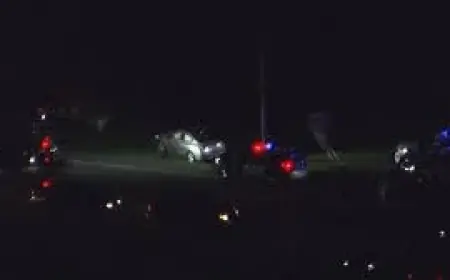
The legal arguments surfaced shortly after federal agents were involved in multiple shootings in Minneapolis, including the death of American citizen Renee Good and the injury of another individual during an arrest attempt. These incidents intensified public outcry regarding the ramifications of the federal agents’ surge.
- January 12: Lawsuit filed by Minnesota state officials.
- January 14: A federal agent injures a Venezuelan man during an arrest.
- Recent shootings have raised concerns about the operational safety of federal agents in urban areas.
Conclusion
The conflict over federal immigration enforcement in Minnesota serves as a critical case of federal versus state authority. As the situation develops, the outcomes may influence similar cases in other states grappling with federal enforcement practices.