

























Guinea’s Essential Minerals Shape U.S. Strategic Plans

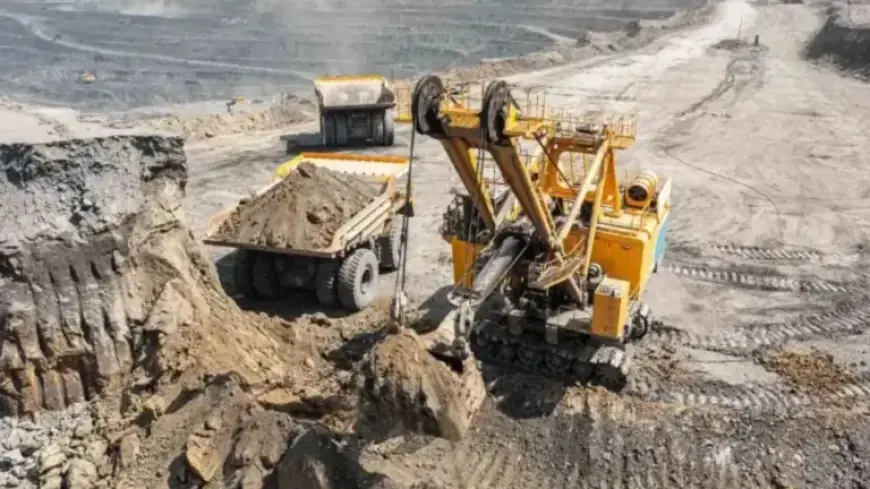
As the United States refines its approach to critical minerals, the Republic of Guinea emerges as a focal point. This West African nation is rich in essential resources that are crucial for U.S. economic stability and security initiatives. These minerals play a pivotal role in energy transition technologies and advanced manufacturing.
Guinea’s Mineral Wealth
Guinea is widely recognized as the world’s leading exporter of bauxite. This mineral is not only integral to aluminum production; it is also a primary source of gallium. Gallium is vital for manufacturing semiconductors, advanced microelectronics, and establishing 5G infrastructure. Its applications extend into defense technologies, including radar systems and missile guidance systems.
China currently dominates gallium production, making Guinea’s bauxite reserves a strategic opportunity for the U.S. to create a reliable non-Chinese supply chain.
Graphite and Other Strategic Minerals
In addition to bauxite, Guinea possesses substantial graphite reserves. Graphite is essential for lithium-ion batteries and electric vehicles. This mineral’s potential impacts not only the energy sector but also various defense technologies. As global demand for critical minerals surges, Guinea is considered a key player capable of supplying large-scale resources.
Simandou: A Strategic Case Study
The discussion surrounding Guinea’s significance in global mineral supply would be incomplete without considering Simandou. This world-class iron ore deposit is located in southeastern Guinea and is moving toward production through two major international consortia, including Rio Tinto. This development serves as a strategic lesson for the U.S., illustrating that local and non-U.S. interests have advanced the project without significant U.S. involvement.
Shifting U.S. Strategy
For over two decades, China has effectively secured direct access to mineral resources in Africa, financing infrastructure projects and establishing long-term agreements. Conversely, the U.S. strategy has primarily emphasized downstream partnerships while avoiding direct involvement in mining operations. To compete with China effectively, the U.S. must adapt its strategy.
Direct engagement in Guinea is critical. This could include equity stakes, joint ventures, and long-term agreements, ensuring access to valuable resources.
Guinea’s Strategic Importance
- Significant Reserves: Guinea is equipped with minerals essential for industrial and security applications.
- Geopolitical Relevance: The country’s location in West Africa adds to its political significance.
- Domestic Development Focus: Guinea is aiming to convert its natural resources into local value and infrastructure growth.
A U.S. strategy that promotes direct mining participation in Guinea aligns with both U.S. development goals and Guinea’s economic advancement, fostering mutual benefit.
Remaining Opportunities
- Gallium: Critical for semiconductors and defense systems.
- Graphite: Vital for electric vehicles and energy storage solutions.
- Bauxite: Foundation for aluminum production and the gallium supply chain.
Although the U.S. may be late to engage, numerous opportunities remain in Guinea. The emphasis on bauxite-derived gallium and graphite underlines the strategic importance of these minerals for future technologies. Recognizing Guinea’s role in securing supply chains is essential. Time is critical, but the chance for strategic engagement remains open.