

























Grocery Price Surge Fuels Canadian Discontent

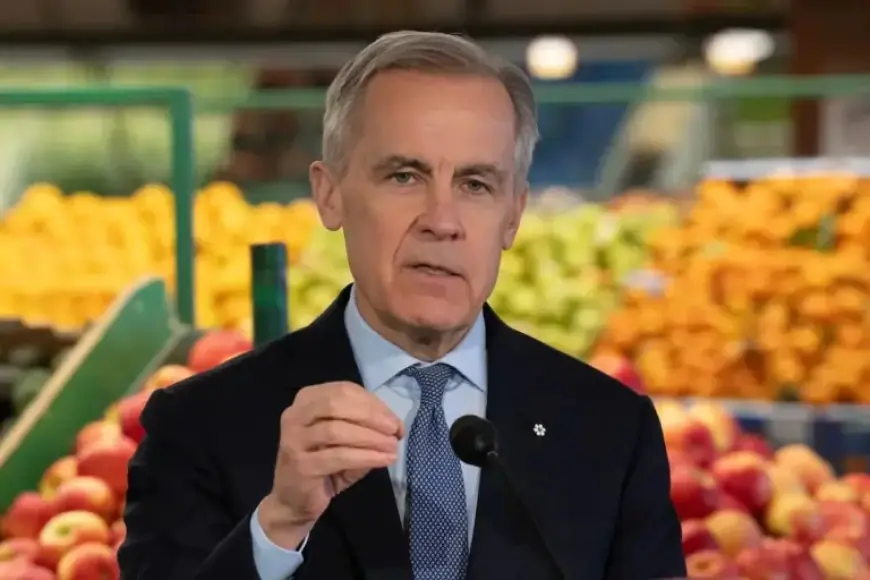
The escalating grocery prices in Canada are causing widespread discontent among citizens, despite rising incomes. A combination of factors, including inflation and supply chain issues, has burdened Canadians at the checkout.
Understanding the Grocery Price Surge
Over the past five years, the price of grocery items has surged significantly. While economists assert that average weekly incomes have increased by 29% since 2019, many Canadians feel financial pressure, especially in relation to grocery bills.
- Grocery prices have escalated by over 21% since 2019.
- 67% of Canadians believe the current cost of living is the worst on record.
- 81% of survey respondents cite grocery prices as their primary concern.
Specific Price Increases
Some staple items have seen dramatic price hikes, contributing to consumer frustration:
- Coffee: Up 63% over five years
- Beef: Up 62%
- Pasta: Up nearly 40%
Due to these price increases, a family of four may spend an additional $1,000 on groceries this year alone.
Government Response to the Grocery Price Crisis
In response to the financial strain, Prime Minister Mark Carney announced a significant increase in the GST credit. This initiative, renamed the Canada Groceries and Essentials Benefit, aims to provide short-term relief to low- and moderate-income families.
- The GST credit will increase by 25% for five years starting in July.
- A one-time 50% top-up will be available this year.
- A single individual could receive up to $950 by 2026, with annual support continuing thereafter.
- Families of four may obtain as much as $1,890 this year and approximately $1,400 annually until 2030.
The government estimates that over 12 million Canadians will benefit from this enhanced support, especially as food bank usage has reportedly increased.
Political Reactions
While some, like House Leader Andrew Scheer, criticized the government’s plan as inadequate, he acknowledged the necessity of relief measures. This bipartisan acknowledgment may help facilitate the passing of the tax credit in Parliament.
Challenges in Reducing Grocery Costs
Permanently lowering grocery prices poses significant challenges due to various influencing factors:
- Climate events
- Global conflicts
- Trade wars
- Currency fluctuations
- Shipping fees
- Worker salaries
- Cattle shortages
The government is also allocating funds to assist businesses in navigating supply chain disruptions and to support organizations that provide food directly to families.
Potential Future Changes
Carney has suggested implementing a unit pricing system that would require retailers to display prices based on standard measurements. This could enhance price comparison for consumers and potentially combat shrinkflation.
As Canada grapples with rising grocery prices, continued monitoring and government initiatives may offer some respite for struggling families.