ChatGPT Analyzes Decade of Apple Watch Data, Prompting Doctor Consultation

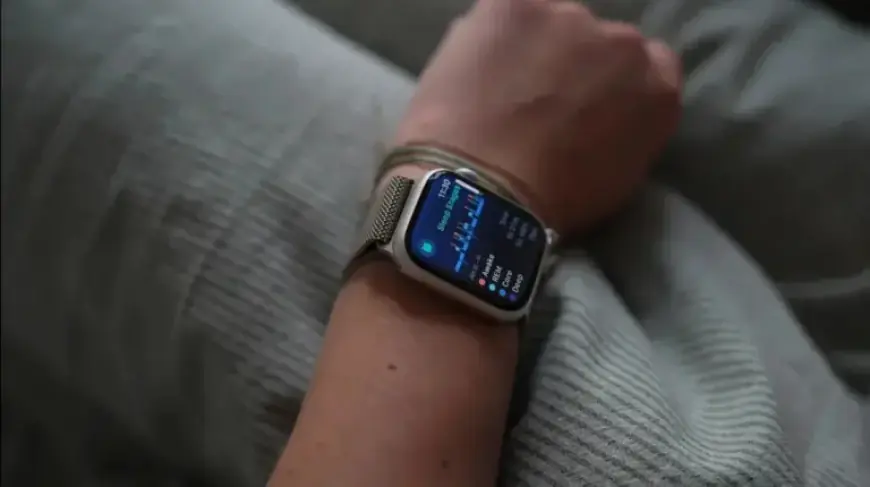
Recent developments in artificial intelligence have brought forth tools that claim to analyze personal health data, such as the new ChatGPT Health. This AI service allows users to leverage a decade of fitness tracker data, specifically from devices like the Apple Watch, to understand their health patterns over time.
ChatGPT Health: A Decade of Data Analysis
After signing up for access, users can share extensive health data. One individual uploaded their Apple Health app records, which included 29 million steps and 6 million heart rate measurements. They then requested ChatGPT to evaluate their cardiac health.
Initial Assessment and Reactions
The AI returned a grade of F, prompting immediate concern from the user. In response, they consulted their actual physician, who reassured them that they were at low risk for heart disease. Cardiologist Eric Topol, an expert in AI’s potential in medicine, criticized ChatGPT, stating its analysis was “baseless” and not ready for medical use.
AI Limitations and Risks
This incident highlights a growing trend where AI tools in healthcare may overstate their capabilities. While they can glean insights from fitness trackers, users need to be cautious about relying on AI for personal health advice.
Anthropic’s Competitor: Claude for Healthcare
Notably, AI competitor Anthropic recently introduced its own health-focused chatbot, Claude. Similar to ChatGPT, Claude allows users to input health metrics from both Apple Health and Android Health Connect. However, both systems are in early testing phases and do not claim to replace medical professionals.
Interpreting Fitness and Health Data
Upon analyzing the user’s data, ChatGPT flagged a “notable increase” in resting heart rate but was inconsistent in its scoring of overall health. The initial F grade was revised to a D after supplementing with medical records, though both scores stirred concern.
- ChatGPT Health relies heavily on metrics like VO2 max, which lacks precise validation.
- Discrepancies in heart rate measurements can lead to erroneous health conclusions.
- Inconsistent scoring during interaction raised questions about data reliability.
Expert Opinions on Data Reliability
Experts warn that depending solely on AI-generated assessments can lead to unnecessary anxiety or complacency about one’s health. OpenAI acknowledges that variations in AI outputs stem from the complexity of health data interpretation.
Do AI Chatbots Have a Place in Health Management?
Despite the fluctuations in scoring, some users find value in visualizing data trends through AI tools. OpenAI reports that over 230 million users engage with health-related queries on ChatGPT each week. This indicates a growing interest in using AI for health management.
Regulatory Challenges Ahead
As AI continues to evolve, regulatory oversight is critical. The FDA is active in ensuring that AI tools making medical claims are thoroughly vetted. Both ChatGPT and Claude stand firm that they only offer information, not definitive medical advice.
In summary, as AI technology progresses, it is essential for users to critically assess the health insights generated and to always consult qualified healthcare professionals for personal medical advice.