
























Canmore Pool Incident at Canmore Inn and Suites: Children Fall Ill, Hazmat Response Triggered, Investigation Ongoing

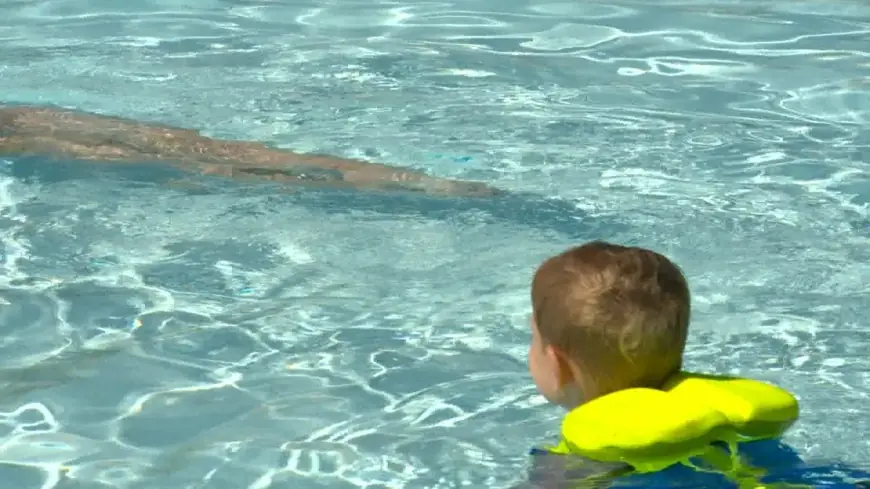
A Canmore hotel pool incident at the Canmore Inn and Suites sent multiple children for hospital evaluation after they suddenly became sick in the indoor pool area on Sunday, January 25, 2026. Emergency crews treated the situation as a potential hazardous-material exposure, briefly activating mass-casualty protocols before scaling back once the scene stabilized.
The case is drawing intense attention in Canmore and Calgary because it involved children, happened during a busy weekend for youth sports travel, and still lacks a confirmed public explanation for what caused the symptoms.
What happened in the Canmore hotel pool incident
Emergency responders were called to the Canmore Inn and Suites around 12:45 p.m. ET on Sunday, January 25, 2026, after reports that children in the pool area were suddenly ill. Responders arrived shortly after 1:00 p.m. ET and found roughly 30 children in the pool space exhibiting symptoms, including vomiting. A triage area was set up near the hotel lobby as crews assessed the scope of the incident and moved people out of the pool area.
Officials said initial monitoring detected an elevated level of a hazardous substance linked to a mechanical-room area, with chlorine suspected based on the location and the symptoms observed. The area was cordoned off and ventilated. An independent contractor later assessed the space and indicated there was no immediate ongoing danger at that time.
A number of children were advised to go to the local hospital for further evaluation. At least one child was transported by ambulance in serious but stable condition, and one child was transferred to a specialized children’s hospital in Calgary, also described as serious but stable. As of Tuesday, January 27, 2026, officials had not publicly released a confirmed cause.
Why “mass-casualty” protocols were activated, then dialed back
“Mass-casualty” can sound like a final verdict, but it is often a planning posture: a way to rapidly mobilize staff, ambulances, and coordination when many people might need care at once. In this Canmore pool incident, the combination of multiple symptomatic children, the possibility of chemical exposure, and the uncertainty about how widespread the danger was pushed responders to escalate quickly.
Once crews were able to triage, monitor the environment, and determine that the number of patients needing urgent transport was lower than first feared, the response posture was reduced. That shift does not minimize the event; it reflects how emergency systems are designed to surge early and then right-size.
Behind the headline: what makes indoor hotel pool incidents so risky
Indoor pools concentrate a few risk factors that do not always show up in outdoor settings. Chemicals used to disinfect water can become more problematic when ventilation is limited, humidity is high, and crowds increase activity in the water and air. A busy weekend adds another layer: more swimmers, longer exposure time, and more stress on equipment and monitoring routines.
The incentives are clear and sometimes conflicting. Families want a definitive cause and reassurance that the environment is safe. The hotel has a powerful incentive to restore confidence quickly without getting ahead of investigators. Local health and safety authorities must balance transparency with accuracy, especially when early readings suggest one explanation but confirmation requires technical review.
Stakeholders go beyond the hotel and families. Pool maintenance contractors, equipment vendors, insurers, tournament organizers, and other hotels with similar pool systems all have something to lose if the final findings point to a preventable failure.
What we still do not know
Key details remain unresolved publicly:
-
The confirmed cause of the exposure or illness, if there was a single cause
-
Whether a mechanical failure, dosing problem, ventilation issue, or operational error played the primary role
-
What exact substance and concentration levels were detected, and for how long
-
Whether any regulatory action, remediation orders, or longer closure will follow
-
The full medical picture for all affected children, including any lasting effects
The hotel has publicly pushed back on online rumors and has said there is no evidence supporting claims of a more exotic toxin and no indication of deliberate contamination based on testing so far. Investigators have not yet provided a final determination.
What happens next: scenarios and triggers to watch
-
A specific equipment or dosing fault is identified
Trigger: investigators pinpoint a failed component, sensor, feeder system, or handling process.
Next steps: documented repairs, revised maintenance protocols, and potential claims review. -
Ventilation becomes the central issue
Trigger: findings show airborne exposure was worsened by airflow or enclosure design.
Next steps: engineering upgrades, stricter operating thresholds, and broader inspections of similar facilities. -
No single failure, but multiple contributing factors
Trigger: results show borderline conditions that became hazardous when the pool was crowded.
Next steps: tighter monitoring, staff training updates, and clearer closure rules when symptoms appear. -
Wider policy ripple across the region
Trigger: public concern prompts authorities to issue new guidance for indoor pools.
Next steps: compliance checks, updated standards, and a push for better real-time monitoring and reporting.
Why it matters for Canmore travelers and local businesses
This Canmore pool incident is a reminder that hotel amenities can carry real risk when chemical systems, indoor air, and crowding intersect. For families, clarity will hinge on transparent findings and visible prevention steps, not just reassurance. For Canmore’s tourism economy, restoring trust depends on showing what changed after the incident: how the pool is monitored, what safeguards were added, and how quickly future warning signs would trigger closure and emergency response.