Nipah virus: India traces contacts in West Bengal as airport screening tightens across the region

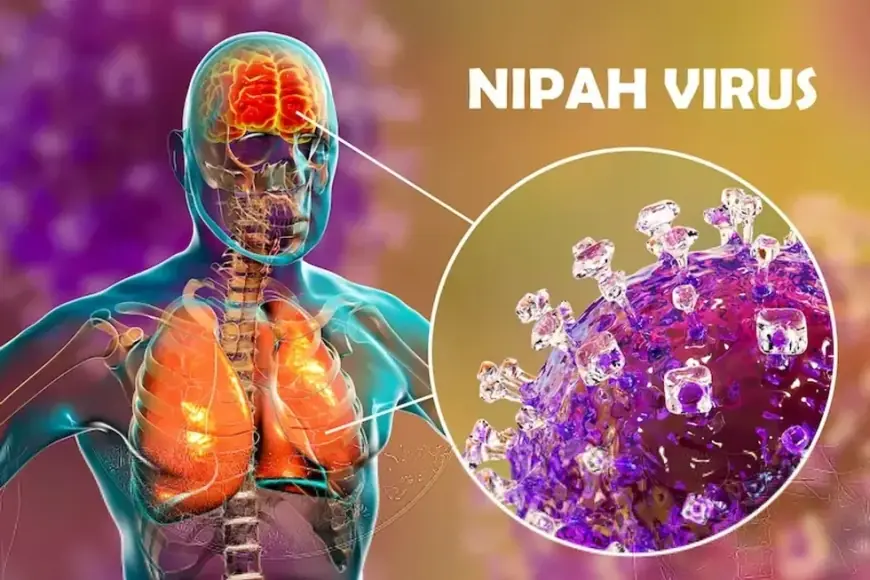
India’s health authorities said Tuesday, January 27, 2026, that two confirmed Nipah virus disease cases have been recorded in West Bengal since December 2025, and that contact tracing and testing so far have not identified additional positives. The update matters because Nipah can spread through close contact in certain settings, and early containment depends on quickly isolating cases and monitoring exposed people.
Two confirmed cases, with 196 contacts tested and negative so far
The National Centre for Disease Control said 196 contacts linked to the confirmed cases have been identified, traced, monitored, and tested, with all found asymptomatic and testing negative. The Ministry of Health and Family Welfare said enhanced surveillance, laboratory testing, and field investigations are underway, and that no additional cases have been detected to date.
Separate public chatter and some unofficial case tallies have circulated in recent days, but the government position remains that the confirmed count is two as of Tuesday. Officials have also emphasized that the situation is being monitored continuously while response teams coordinate across national and state levels.
Why healthcare-linked clusters raise the stakes
The two confirmed cases in West Bengal have been described by public health monitoring reports as healthcare workers, highlighting a familiar risk pattern with Nipah: clusters can form when exposure happens in hospitals or among caregivers. In practical terms, that increases pressure on infection prevention routines such as rapid triage of fever and respiratory symptoms, careful use of protective equipment, and strict protocols for handling bodily fluids.
This is also why contact lists can expand quickly even when overall case numbers stay low. A single patient’s clinical care can involve multiple staff members, family visitors, and other patients sharing rooms or waiting areas, creating a wide net of people who need follow-up.
Thailand begins screening travelers from West Bengal at major airports
Regional precautions have moved fast even while confirmed numbers in India remain limited. Thailand’s public health authorities began health screening measures for passengers arriving from West Bengal at Bangkok’s Suvarnabhumi and Don Mueang airports, and preparedness steps were also described at Phuket International Airport, including screening points and increased cleaning and disinfection of high-touch areas.
For travelers, that can translate into temperature checks, symptom assessments, and additional questions at entry points, with anyone appearing unwell potentially routed for medical evaluation. Officials have said monitoring will continue, and screening requirements may be adjusted based on how the situation evolves through the virus’s incubation window.
What Nipah is, how it spreads, and the symptoms clinicians watch for
Nipah is a zoonotic virus, meaning it can spill over from animals to humans, with fruit bats recognized as a key natural host. In past outbreaks, transmission has occurred through contaminated food and through close, unprotected contact with an infected person, particularly in caregiving and healthcare environments.
Illness can range from mild or even asymptomatic infection to severe disease involving the lungs and the brain. The World Health Organization estimates the case fatality rate at 40% to 75%, varying by outbreak and care conditions, and notes an incubation period typically from 4 to 14 days, with longer periods reported in some cases. There is no specific, universally approved drug or vaccine that targets Nipah, so treatment focuses on intensive supportive care for respiratory and neurologic complications.
Common early warning signs that typically trigger evaluation include:
-
Fever and headache
-
Muscle aches and vomiting
-
Sore throat or cough
-
Breathing difficulty
-
Drowsiness, confusion, or rapidly worsening neurologic symptoms
India has dealt with Nipah outbreaks before, including earlier events in West Bengal in the 2000s and recurring outbreaks in Kerala in recent years, which has shaped today’s playbook of quick testing, isolation, and contact monitoring. For now, the central question in West Bengal is whether investigators can identify the exposure route behind the two confirmed cases while keeping healthcare-linked spread from taking hold.