Southwest Airlines Abandons Open Seating, Embraces New Boarding Complexity

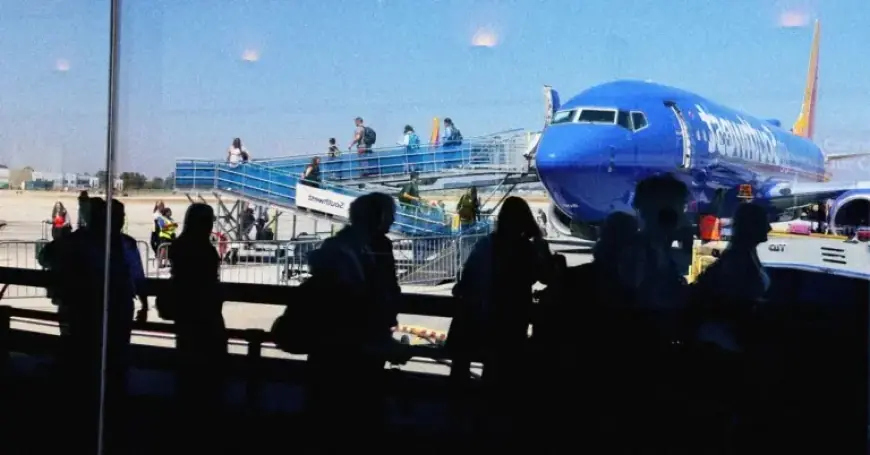
Southwest Airlines is undergoing a significant transformation in its boarding process. Known for its open seating policy, the airline has now officially adopted assigned seating, marking a departure from its decades-long tradition. This change aims to streamline operations while introducing new complexities.
Transition to Assigned Seating at Southwest Airlines
On Tuesday, Southwest Airlines announced the implementation of an assigned seating policy. This move aligns the airline more closely with standard practices across the aviation industry. Previously, early check-in allowed passengers to board without designated seats, creating a unique system that many travelers appreciated.
New Boarding Process Explained
The new boarding system introduces a method called Window-Middle-Aisle (WILMA). Passengers will now board in groups based on their seat location:
- Window seat holders board first from the back of the aircraft
- Middle seat passengers follow
- Aisle seat holders board last
This strategy is designed to reduce congestion in the aisles, allowing passengers with window seats to stow their luggage efficiently before others enter the cabin.
Complications in the New System
While WILMA has proven effective for other airlines, such as United Airlines, Southwest’s new procedure includes various complications. The airline has also introduced a tiered boarding system that prioritizes certain passengers:
- Priority boarding fare holders
- Top-tier frequent fliers
- Passengers with “choice extra” fares
- Individuals who paid for extra legroom
- Other frequent fliers and credit card members
- Economy class passengers
This layered approach aims to enhance revenues. Southwest’s new extra legroom seats alone are expected to generate an additional $1.5 billion annually by next year, according to the airline’s president and CEO, Robert Jordan.
Concerns Over Efficiency
Despite the potential for increased profits, experts raise concerns about the overall efficiency of boarding processes. John Milne, an engineering management professor, notes that these added perks tend to complicate the boarding procedure. He suggests that while the incentives may drive revenue, they could ultimately lead to slower boarding times.
As the airline industry continues to evolve, Southwest Airlines is poised to adapt its strategies to meet passenger expectations while balancing operational efficiency with profitability. The full impact of these changes on traveler experience remains to be seen.