
























Dallas Road Conditions Today: Is It Safe to Drive Right Now in DFW as Ice and Freezing Fog Linger?

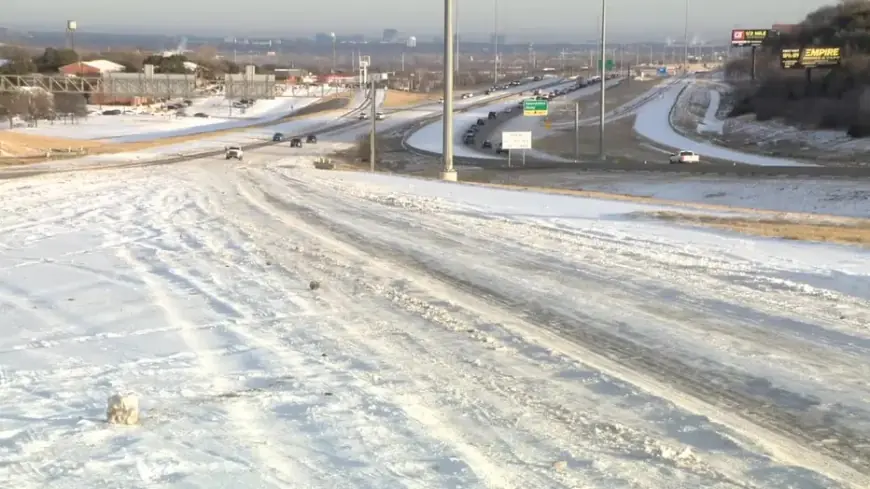
On Tuesday, January 27, 2026, driving conditions today in Dallas–Fort Worth remain risky, especially this morning and again after dark. If you’re asking “is it safe to drive right now?” the safest call for most drivers is to delay trips until roads have had more time to warm and crews have had more daylight to treat trouble spots.
The freeze has created a familiar North Texas trap: many main lanes improve first, while bridges, ramps, and neighborhood streets stay slick longer. Add the renewed concern about freezing fog, and even roads that look merely “wet” can turn into a thin glaze of ice with very little warning.
Road Conditions DFW: Why “Looks Fine” Can Still Mean Dangerous
Across DFW, conditions are uneven block by block. City operations in Dallas remained curtailed Tuesday, and the city warned that some neighborhood streets and alleys were expected to stay effectively impassable for service equipment for much of the day—a blunt indicator that secondary roads can still be rough even when highways look better.
This is the core mismatch drivers run into when searching “road conditions DFW” or “Dallas road conditions” during a hard freeze: the road you can see might be okay, while the next elevated section or shaded stretch is not. Thin ice doesn’t always look like ice, and a small patch is all it takes to lose traction at normal speeds.
Local temperatures are still cold enough to keep the risk alive: Dallas started the day well below freezing and is only expected to climb to the upper 30s later Tuesday. That’s warm enough to improve some pavement in sunlight, but not warm enough to guarantee every surface is safe—especially elevated roadways.
Road Conditions Near Me: How to Check Dallas and Texas Road Conditions Fast
If you’re Googling “road conditions near me” or “driving conditions near me,” the most reliable approach is to check the official live traffic and road-condition map from the state transportation department and compare it with what you’re seeing outside your door. In North Texas, a route can be “mostly moving” and still contain a handful of closures, crashes, or ice-related slowdowns that turn a 20-minute trip into an hour.
What to look for when checking Texas road conditions:
-
Closures on elevated connectors (often the last to reopen)
-
Chain-reaction crashes near interchanges (a sign traction is failing)
-
Reports on frontage roads and service roads (these can stay untreated longer than main lanes)
-
Managed lanes status (these sometimes close earlier and reopen later during ice)
Even with a good map, treat your first mile as the real test. If your neighborhood street is slick, the rest of your trip is already compromised—because you still have to get back home.
What Is Sleet, and Why Does It Matter for Dallas Road Conditions?
Sleet is frozen rain that falls as tiny ice pellets. It forms when snow melts into raindrops in a warmer layer of air, then refreezes into pellets before hitting the ground.
For drivers, sleet matters because it can:
-
Bounce and accumulate like gritty ice, reducing tire grip
-
Compact into a slick layer under traffic, especially at intersections
-
Blend with light freezing fog or refreeze, creating patches that look like wet pavement
In practical terms: sleet can make roads slippery fast, and it can also create the base layer that later turns into black ice when temperatures stay below freezing.
Are the Roads Safe to Drive On? The “If You Must Go” Rulebook
If you truly have to travel, approach today like an ice day, not a cold day. A few careful choices reduce risk more than any gadget or “all-wheel drive confidence.”
-
Slow down early (traction loss is the whole story today).
-
Avoid bridges, overpasses, flyovers, and ramps whenever you can—these freeze first and stay icy longer.
-
Increase following distance far beyond normal and brake gently, earlier than you think you need to.
-
Skip sudden lane changes; smooth steering is your friend on questionable pavement.
-
Plan for refreeze: if your trip ends after sunset or before sunrise, assume conditions can worsen again.
If you see patchy shine, wet-looking pavement in shaded areas, or traffic moving oddly slowly for no clear reason, treat that as a warning that you’re near hidden ice.
What to Watch Next in Driving Conditions Today
The risk window isn’t just the morning commute. A daytime thaw can be followed by a quick drop after sunset, and freezing fog can quietly re-ice surfaces without a new round of precipitation. That’s why “driving conditions today” can change sharply between mid-afternoon and late evening in DFW.
For anyone weighing errands, pickups, or a cross-metro drive: the safest strategy is to bundle trips into the warmest daylight window and avoid late-night driving unless it’s essential. Details can shift quickly, but the physics won’t—below freezing, untreated pavement can turn hazardous in minutes.