

























Greg Bovino “Fired”? What Tom Homan’s Minnesota Takeover Really Means for ICE and Border Patrol

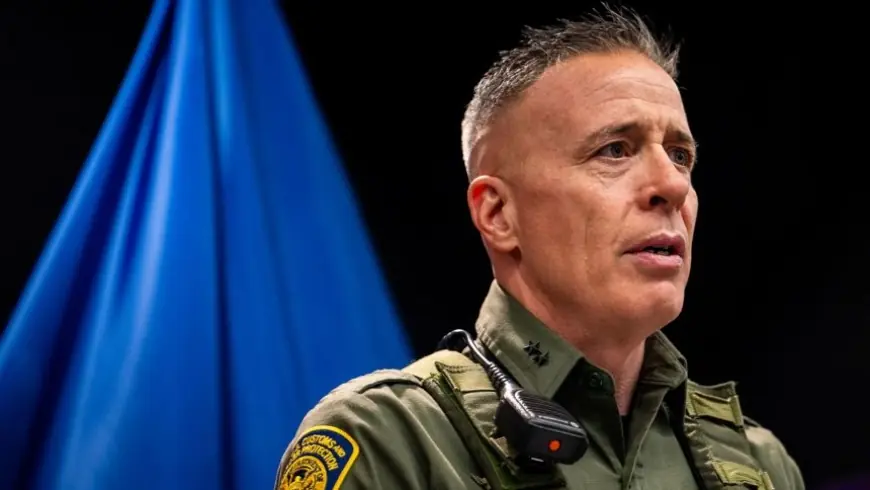
As of Tuesday, January 27, 2026, Greg (Gregory) Bovino has not been publicly described by the administration as “fired.” Instead, he is being pulled off the Minneapolis-facing role and sent back to his prior Border Patrol assignment in El Centro, California, while Tom Homan takes over leadership of the Minnesota immigration mission. For people searching “bovino fired?” the most accurate framing right now is reassignment and loss of the high-profile Minnesota post, not a termination.
That nuance matters because the Minnesota operation has become politically toxic after two fatal shootings of U.S. citizens this month during federal immigration enforcement activity. In that climate, changing the name at the top is as much about regaining control of the story as it is about chain-of-command.
Was Greg Bovino fired, demoted, or removed?
The sharpest split is between what federal leaders are saying and what multiple accounts of the personnel move imply.
On one side, a public message from the Department of Homeland Security spokesperson, Tricia McLaughlin, rejects the idea that Bovino was “relieved of his duties,” signaling he remains employed and in the administration’s good graces. On the other side, Bovino is expected to leave Minneapolis and return to his El Centro post after being stripped of the specially elevated “commander-at-large” role he held during the Minnesota surge—an outcome many observers read as a demotion in everything but name.
If you’re trying to translate the bureaucracy into plain English: Bovino appears to be losing the Minnesota command spotlight and the unusual, politically charged title that came with it, while keeping a job within Border Patrol and returning to California.
Who is Greg Bovino?
Gregory Bovino is a career Border Patrol leader who became one of the most recognizable faces of President Trump’s city-by-city immigration crackdowns. He has been associated with aggressive enforcement tactics that drew intense criticism in several major metro areas before he arrived in Minnesota, where the federal government launched what it has described as an unusually large interior operation.
Bovino’s supporters portray him as a hard-driving operator who moves quickly and projects authority. His critics argue he favors confrontation, escalates street-level tension, and blurs lines between immigration enforcement and militarized policing—especially when operations unfold in dense neighborhoods with heavy media presence.
Questions about “gregory bovino wife” are circulating online, but his family life has remained largely private in credible public coverage. He is reported to be married and to have children, but names and personal details are not consistently part of the verifiable public record.
Who is Tom Homan, the “border czar” replacing Bovino in Minnesota?
Tom Homan is a longtime immigration enforcement official who previously served as the acting head of ICE during the first Trump administration. He has returned to a White House coordination role often referred to as “border czar,” a label that signals political authority and direct access more than a traditional agency title.
In Minnesota, Homan’s job is straightforward in concept and complicated in practice: stabilize a mission that has produced street protests, legal blowback, and widening distrust between federal officials and state leaders. President Trump has said Homan will run point on the Minnesota effort and report directly to the White House, bypassing the normal chain of command that had placed Bovino prominently in view.
Minnesota, Minneapolis, and why the crackdown is changing shape now
The immediate trigger for the leadership shake-up is the death of Alex Pretti, a 37-year-old ICU nurse shot on January 24 during a confrontation involving federal agents in Minneapolis. That shooting came after another fatal incident on January 7 in which Renée Good, a 37-year-old mother, was shot and killed by an ICE officer.
Those deaths didn’t just intensify protests—they tightened the legal vise. Courts are now weighing due-process disputes tied to detentions, and state officials have pushed for independent access to evidence and investigations. At the same time, city and state leaders have described the federal posture as unprecedented in scale and unusually resistant to local oversight. Against that backdrop, the administration’s shift from Bovino to Homan reads like an attempt to de-escalate without fully retreating.
What we know, and what’s still unclear about Bovino leaving Minneapolis
What we know is the direction of travel: Bovino is leaving Minneapolis, Homan is taking over the Minnesota mission, and federal officials are emphasizing that Bovino remains part of Border Patrol leadership as he returns to El Centro, California.
What’s still unclear is what this means operationally on the ground—especially for people asking “ice leaving minnesota.” The most concrete expectation is that at least some federal agents will begin departing the Twin Cities as early as Tuesday, but how many leave, how quickly, and whether enforcement tactics change are still moving targets.
Here’s what to watch next:
-
Whether the federal footprint in Minneapolis shrinks in a measurable way, or simply rotates personnel under new leadership.
-
Whether investigators release clearer timelines and evidence about the two shootings, and whether oversight expands beyond internal reviews.
-
Whether Bovino’s return to El Centro becomes a quiet off-ramp (including potential retirement) or a standard reassignment that keeps him visible elsewhere.
-
Whether Homan’s takeover changes tactics—fewer street-level confrontations, tighter rules of engagement, and clearer coordination with state authorities—or simply changes the messenger.
For now, the simplest answer to “did Greg Bovino get fired?” is no—not in any officially declared sense. But in Washington terms, being removed from the role that made you the face of a crisis can still be a career-defining fall, even if your paycheck continues.