
























Court Rejects Trump’s Request for Oregon Voter Data, Bondi Letter Cited

A U.S. District Judge recently ruled against the federal government’s request to access unredacted voter rolls in Oregon. The decision came amid concerns regarding the motives behind the Trump administration’s attempts to gather personal voter information.
Court Rejects Trump’s Request for Oregon Voter Data
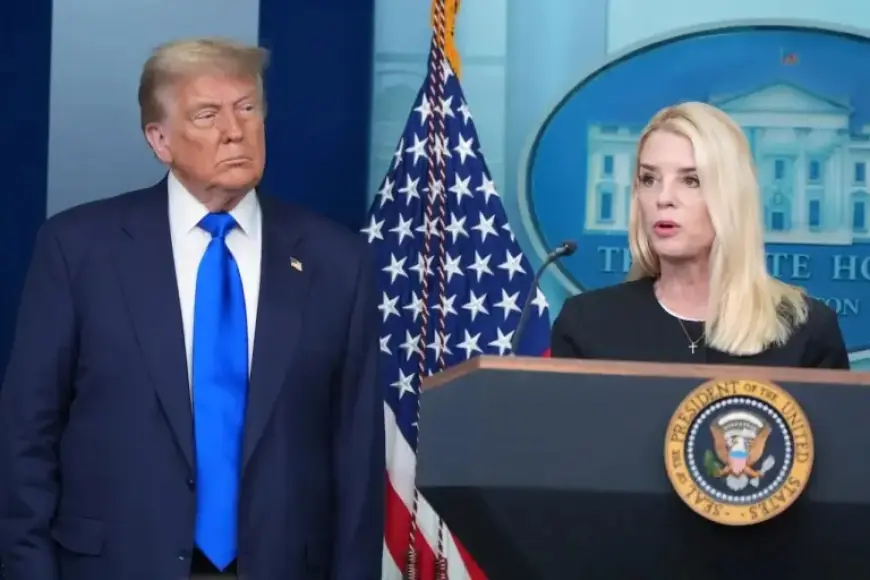
Judge Mustafa T. Kasubhai expressed significant apprehension about the administration’s true intentions. His concerns were heightened by a letter from U.S. Attorney General Pam Bondi to Minnesota Governor Tim Walz. In this letter, Bondi requested private voter data from Minnesota on the same day violent incidents raised tensions in the state.
Background of the Case
- Bondi’s letter requested Minnesota to reconsider its “sanctuary policies.”
- She indicated that establishing agreements with ICE would enhance law enforcement.
- Additionally, she suggested access to voter rolls for potential fraud investigations related to Medicaid.
Kasubhai convened a video hearing to discuss the implications of Bondi’s correspondence. He questioned how Bondi’s request related to the federal government’s claims regarding alleged voting irregularities in Oregon.
Responses to the Administration’s Request
Oregon Senior Assistant Attorney General Thomas Castelli argued that Bondi’s letter suggested immigration enforcement was the federal government’s priority. He insisted the administration’s rationale for needing voter data was undermined by Bondi’s message.
- Branden Lewiston, representing Our Oregon, echoed this sentiment, describing the request as suspicious.
- James Thomas Tucker from the Justice Department defended the request, citing compliance needs with federal voter registration laws.
Legal Ruling and Implications
Ultimately, Kasubhai dismissed the federal suit, stating it failed to demonstrate a legitimate purpose for obtaining sensitive voter information. The requested details included full dates of birth and partial Social Security numbers.
The judge noted that there were no allegations of discrimination that warranted such invasive data collection. Judge Kasubhai indicated a written ruling would follow this oral decision.
Statements from Officials
Oregon Secretary of State Tobias Read characterized Bondi’s letter as an “attack on democracy.” He asserted that law enforcement should not use threats to access electoral infrastructure. Oregon Attorney General Dan Rayfield commended the ruling, emphasizing that the court upheld the need for privacy in voting laws.
The situation is critical, underscoring a broader national debate over voter privacy and federal government authority in state electoral matters. As this case demonstrates, vigilance is necessary to protect the sanctity of the electoral process.