

























80% of Seniors Use Older Smartphones Daily

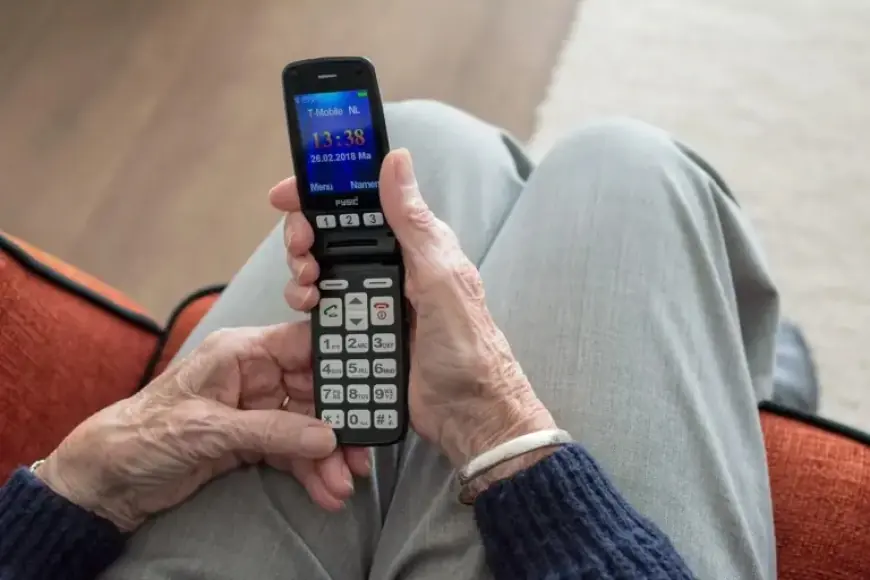
Seniors are increasingly incorporating smartphones into their daily routines. Recent research highlights that over 80% of individuals aged 65 and older use their devices every day. This challenges the traditional stereotype of seniors only using phones for emergencies.
Digital Integration Among Seniors
A study titled “Digital Grandparents” surveyed more than 562 seniors. It revealed that these users engage with technology actively. Many utilize smartphones for chatting, social media, scheduling appointments, and managing health therapies.
Daily Connectivity: Benefits and Pressures
- Staying connected with family
- Keeping up with news
- Organizing appointments
However, the constant connectivity can lead to negative consequences. Nearly 40% of respondents feel pressured to respond immediately to messages and calls. This phenomenon, referred to as “digital urgency,” can create stress and hinder the quality of leisure time.
Smartphones as a Tool Against Loneliness
For many seniors, smartphones serve as a crucial lifeline. About 22% of seniors say that having their phone helps them feel less isolated, especially those living alone. Nevertheless, experts warn that this reliance on technology may mask deeper relational issues.
Digital Risks and Awareness
While smartphones offer numerous advantages, they also pose risks. Many seniors express confidence in their ability to manage privacy. However, a significant number face misinformation and scams regularly. This gap between their perceived safety and actual vulnerability underscores the need for better education and support.
Smartphones as Personal Assistants
Despite these risks, smartphones are invaluable tools for many seniors. They help manage daily tasks, such as remembering appointments and monitoring medication. However, seniors may find themselves alone when encountering technical difficulties or online threats.
In summary, smartphones have become integral to the daily lives of seniors. While they offer vital connections and support, it’s essential to address the accompanying risks and challenges.