Japan Yen Intervention Looms: Currency Markets Stay Alert

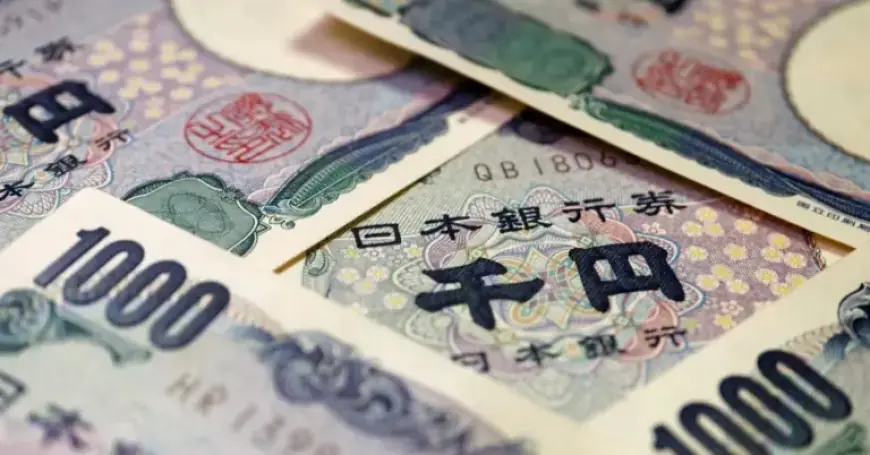
The currency markets are on high alert as a potential intervention to support the Japanese Yen looms. The Yen surged this past Friday after a series of events unfolded, including Prime Minister Sanae Takaichi’s commitment to take necessary actions against speculative trading.
Yen’s Recent Performance and Government Response
On the evening of Sunday, January 25, the Yen experienced a notable rise against a weaker U.S. dollar. The dollar declined approximately 0.8%, trading at 154.56, marking its lowest level since December 17. The dollar index also fell by 0.4% to 97.085.
- The Yen recorded its sharpest increase in nearly six months, finishing at 155.73 per dollar on Friday.
- Early trading in Asia on Monday is expected to be nervous due to a holiday in Australia, potentially leading to exaggerated market movements.
Short sellers are showing signs of anxiety as the Yen rebounded after a significant drop toward 160 per dollar, a point seen as a potential risk for intervention. This market shift was partially triggered by rate checks conducted by the New York Federal Reserve, which raised speculation about a joint U.S.-Japan intervention.
Historical Context of Currency Interventions
The last joint intervention by the Group of Seven nations occurred in 2011 following the devastating Tohoku earthquake. The Yen has been in decline for several years and is nearing multi-decade lows against the dollar, causing increasing concern among Japanese officials about its impact on the economy.
On Friday, the Yen surged twice. Once in the London morning session and again during New York trading hours. Analysts believe that this indicates a shift in the dollar’s trajectory against the Yen. Elias Haddad, a strategist at Brown Brothers Harriman, suggested that the dollar may be peaking against the Yen, potentially paving the way for valuation levels between 140.00 and 145.00.
Policy Implications and Future Outlook
Prime Minister Takaichi has stated the government will take steps against any abnormal market conditions. This statement underlines the significance of the current currency situation, which has implications for inflation and household purchasing power in Japan.
Since Takaichi assumed her leadership role, the Yen has depreciated by more than 5% against the dollar. Rising bond yields are linked to concerns surrounding government spending and borrowing. Last week, the Yen hit record lows against both the euro and the Swiss franc before recovering, indicating potential for further appreciation if intervention occurs.
Japanese Finance Minister Satsuki Katayama has previously expressed concerns about the Yen’s pronounced depreciation. Recent dialogues with U.S. Treasury Secretary Scott Bessent have suggested potential collaborative strategies to stabilize the Yen and other Asian currencies.
Strategic Considerations Moving Forward
Market analysts, like Yusuke Miyairi from Nomura, believe that the effectiveness of any future intervention will be essential. The U.S. and Asian partners may reach agreements aimed at stabilizing currencies, reflecting a broader strategy that targets both the Yen and the Korean won.
In summary, as Japan navigates these turbulent currency waters, policymakers and traders alike remain vigilant about potential interventions that could reshape the foreign exchange landscape.