























What to Do When Your Car Won’t Start: CAA-Québec’s Advice

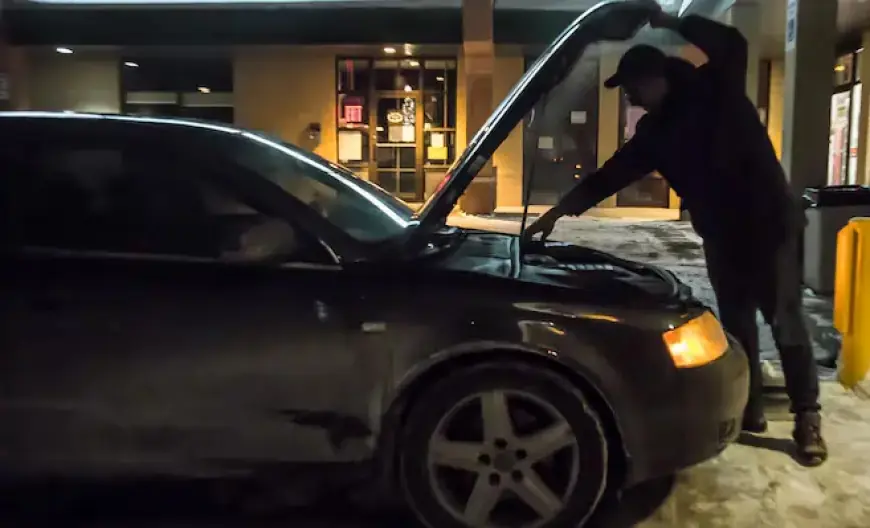
When faced with a car that won’t start, it’s essential to take immediate and informed actions. Jesse Caron, an automotive expert from CAA-Québec, shares valuable tips to address this common issue.
Steps to Take When Your Car Won’t Start
1. Attempt to Recharge the Battery
If you possess a portable power bank, consider recharging your car battery. These devices are widely available and can be effective. However, during extreme cold, a dead battery might not respond, depending on the power bank’s capacity.
2. Jump-Start the Vehicle
Jump-starting your vehicle using another car is a viable method. However, caution is crucial. Modern vehicles can be tricky, as the positive terminal might be hard to locate. Incorrectly connecting the cables can damage your car’s electrical system.
3. Call for Roadside Assistance
If initial attempts fail, it may be wise to contact a roadside assistance service like CAA-Québec. Trained professionals can help jump-start your car safely. If your vehicle does start, remember to drive for about 30 minutes to fully recharge the battery.
4. Prepare for Increased Demand
During extreme weather conditions, roadside assistance services may experience a surge in requests. Caron has indicated that CAA-Québec expects a significant rise in calls. Patience may be required, as response times could be longer than usual.
5. Consult Your Owner’s Manual
Before giving up on your vehicle, check the owner’s manual for specific instructions regarding start-up procedures. Interestingly, many vehicles require pressing the accelerator on the second attempt to facilitate starting. Modern cars are designed to handle such actions safely.
- Wait about 30 seconds between each starting attempt.
- Avoid exceeding four starting attempts.
By following these strategies, you can effectively manage situations when your car won’t start, ensuring a quick and safe resolution. For further tips and detailed advice, visit Filmogaz.com.