

























Trump’s Mortgage-Backed Bond Buys Fail to Reduce Housing Costs

The ongoing efforts by the Trump administration to lower housing costs through mortgage-backed bond purchases are encountering significant skepticism from experts. As of January 22, 2025, the ambition of spending $200 billion in this initiative has not demonstrably eased the financial burdens on American homebuyers, according to multiple economic analysts.
Inadequate Impact on Housing Costs
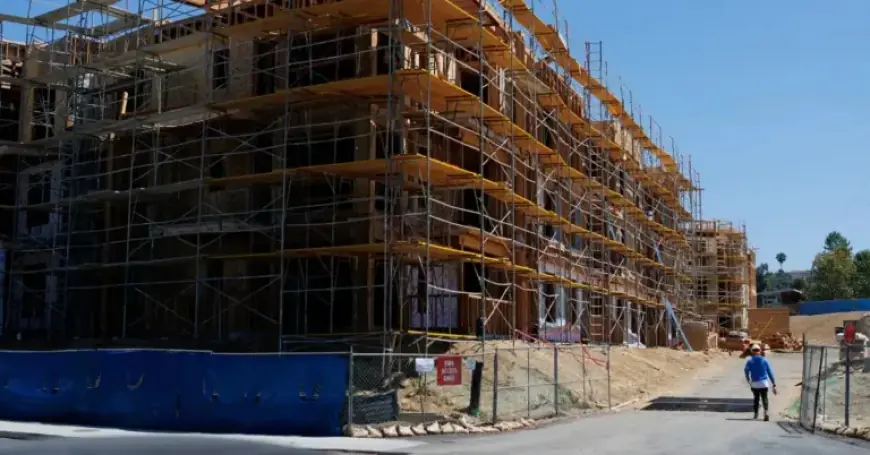
Joseph Brusuelas, chief economist at RSM US LLP, stated that the United States is facing a supply challenge in the housing market, not a demand or financing issue. He criticized the administration’s bond-buying approach as largely ineffective, saying that merely increasing purchasing efforts with mortgage bonds would not offer substantial relief.
Economic expert Patricia Zobel echoed this sentiment, expressing doubt about the potential of bond purchases to significantly reduce housing prices. While mortgage yields and 30-year fixed mortgage rates have seen some narrowing, she questioned the initiatives’ effectiveness for the average consumer.
Mortgage Rate Trends
- As per Freddie Mac, the average rate on a 30-year fixed mortgage was 6.15% at the end of 2025.
- Rates peaked at nearly 8% in fall 2023.
- After intervention by the Trump administration, the rate briefly dropped to 6.06%, then slightly increased to 6.09%.
Recently, the Mortgage Bankers Association reported that the 30-year mortgage rates have decreased again, reaching their lowest point since September 2024. This reduction is credited with significantly boosting refinancing activities, reaching heights not seen since September 2025.
Efforts to Offset Fed Actions
Despite comments from U.S. Treasury Secretary Scott Bessent that the bond purchases commenced to mitigate the Federal Reserve’s runoff of mortgage-backed assets, there is general confusion over the specifics of these efforts. The Federal Housing Finance Agency has not disclosed the total amount or pace of the bond purchases.
- The Fed aims to allow $15 billion in mortgage-backed bonds to roll off its balance sheet monthly.
- Current holdings have decreased from approximately $2.7 trillion in mid-2022 to $2 trillion.
Challenges Ahead
Federal Reserve officials have expressed that the issues in housing affordability extend beyond financing, primarily revolving around supply shortages. Atlanta Fed President Raphael Bostic noted that improving housing conditions relies on addressing supply challenges more than anything else.
Economists are also wary of rising yields in government bonds, which could impact mortgage rates unfavorably. The 10-year Treasury note yield recently escalated due to market fluctuations, further complicating the landscape for those trying to purchase homes.
In summary, the administration’s strategy involving mortgage-backed bond purchases appears to have limited effectiveness in reducing housing costs. As experts emphasize, addressing supply shortages remains the more crucial aspect of achieving lasting affordability in the housing market.