Bad Bunny’s NFL merch drop turns the Super Bowl into a bilingual fashion moment — and resale prices are already reacting

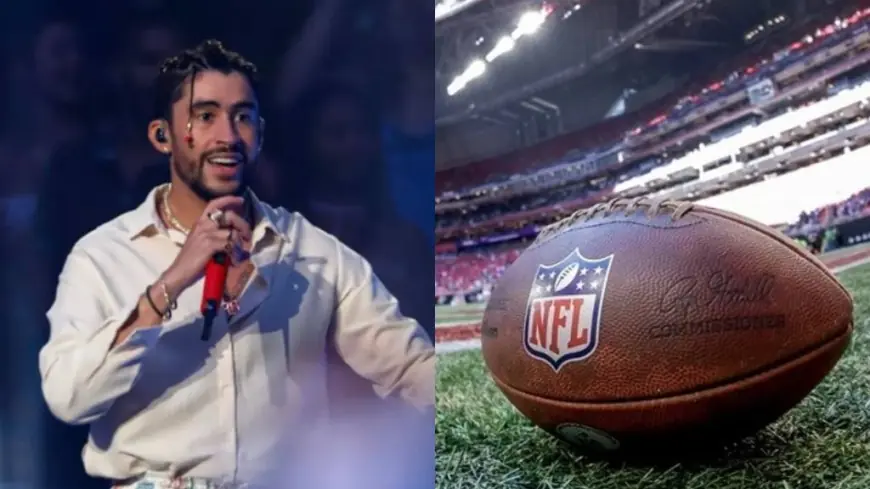
Bad Bunny’s latest move with the NFL isn’t just another celebrity capsule collection; it’s a signal that the league is treating culture and language as core merchandise strategy, not an add-on. A limited-run drop tied to Super Bowl LX has arrived with designs for all 32 teams and a Spanish-first branding angle that’s unusual for official league-licensed apparel. For fans, it means team gear that reads differently than standard sideline merch. For the resale market, it’s the kind of scarcity-and-hype setup that can spike prices before most people even figure out what’s actually included.
Why this drop feels different from typical “artist x sports” collabs
Most sports collaborations lean on a predictable formula: one team, one city, one logo remix. This one goes wider. The collection spans every franchise and uses a recurring “concho” motif associated with Bad Bunny’s visual world, leaning into playful iconography rather than conventional football grit. It also arrives with a second wave positioned around Spanish-language Super Bowl branding — a deliberate choice that aims beyond the usual merch audience.
That matters because the NFL’s apparel ecosystem is already crowded with alternates, throwbacks, and lifestyle lines. When a musician collaboration still cuts through, it usually does one of two things: it changes how the gear looks in everyday wear, or it changes who feels like the gear is “for.” This drop is trying to do both.
What’s in the Bad Bunny NFL merch collection
The first release centers on team-specific apparel and accessories built around the concho theme. Pricing varies by item type, with the most visible pieces landing in the familiar hype-collab range rather than standard fan pricing.
Common pieces include:
-
Team-branded tees (often in a mid-to-premium price band)
-
Hoodies (typically the highest-demand staple early on)
-
Caps in a casual classic silhouette
-
Collectibles such as plush items and small accessories tied to team identity
A second release is positioned as a “Super Tazón” collection timed to Super Bowl week activity, expanding the collaboration’s Spanish-forward branding. Not every item is available in every market at the same time, and some inventory is being handled as limited stock rather than an open-ended restock.
The real-world effect: fans are chasing the “right” version of their team gear
The immediate response hasn’t been just “I want Bad Bunny merch.” It’s more specific: fans are trying to find the item that looks like a Bad Bunny piece and still reads as authentic team gear. That’s a narrow target, and it’s why certain teams and certain sizes are moving faster than others.
It’s also why counterfeit listings pop up quickly. When a drop spans all 32 teams, scammers can copy product titles and flood marketplaces with “your team” versions that never existed in the official run. The breadth becomes a vulnerability: it’s easier to trick someone when they assume every team has every item.
A quick buyer’s checklist before you click “buy”
-
Double-check the exact team/item combo exists (some teams have tees and hoodies; others may have fewer options at launch).
-
Watch for vague listings like “all teams available” without clear product photos and sizing details.
-
Treat “pre-order” claims cautiously unless the seller provides a clear delivery window and buyer protection.
-
Expect the first resale spike to cool once the initial hype wave passes and more legitimate inventory hits hands.
-
If you want wearability over rarity, pick the tee; if you want the item most likely to disappear fastest, it’s usually the hoodie or cap.
Why prices are jumping — even before the halftime show
Limited-edition sports merch tends to follow a simple arc: the first hours are driven by hype, the first days are driven by scarcity, and the first week is driven by social proof (photos, fit checks, and “sold out” screenshots). Bad Bunny’s collaboration adds a multiplier because his drops already train fans to treat merch like collectibles. When that behavior meets team loyalty, people don’t just buy one item — they buy “their team” plus a second piece that feels like the signature of the collection.
The biggest question is restocks. If the supply stays tight, the resale market will keep the pressure on. If more inventory rolls out quietly, early resale listings may look overpriced in hindsight. Right now, the safer assumption is volatility: strong demand, uneven availability, and fast-moving secondary prices.
Bad Bunny has effectively turned a league merch drop into a culture drop. And for fans, the fastest way to enjoy it is to treat it like both: buy what you’ll actually wear, verify what you’re buying, and don’t let the first wave of “sold out” panic make the decision for you.