

























Staying Cool in the Savannah: Survival Strategies

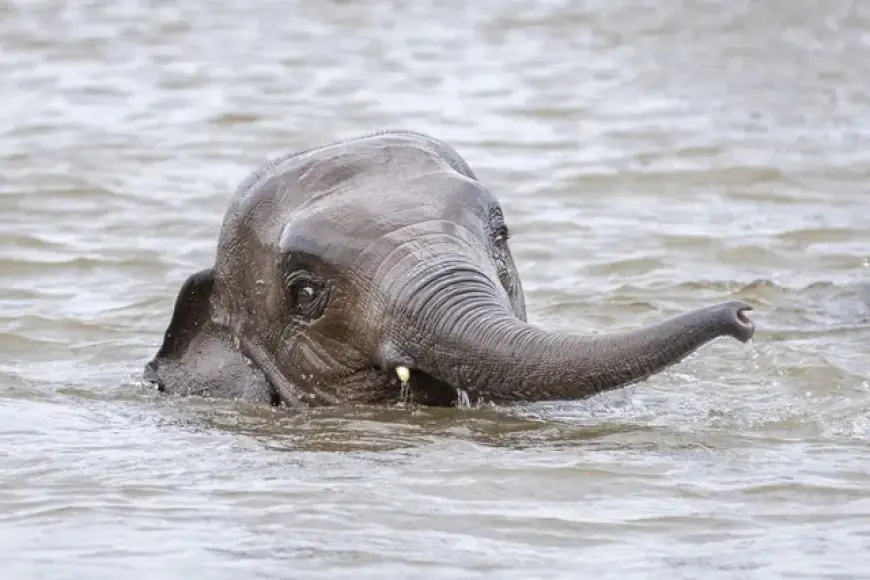
With Victorian summers bringing potential heatwaves, zookeepers at Werribee Open Range Zoo (WORZ) have developed effective strategies to ensure their animals stay cool. These methods, while carefully crafted for each species, share similarities with those humans use to cope with high temperatures.
Understanding Heatwaves in Victoria
Victorian heatwaves are known for their intensity and abrupt temperature spikes. As a consequence, zookeepers employ various cooling strategies to assist animals that are not naturally equipped to handle such extremes. Dominic Moss, the zoo’s life sciences manager, emphasizes the importance of behavioral and physical adaptations for different species.
Cooling Strategies for Animals
- Elephants: They cool down by flapping their ears and playing in water.
- Rhinos: These creatures enjoy muddy wallows, which not only keep them cool but also serve as a natural sunscreen.
- Big Cats: Lions and other big cats opt for shade and panting to manage heat.
- Smaller Carnivores: Seek cooler ground or burrow to escape the heat.
The zoo’s elephant herd stands out for its water play. The elephants engage in splashing and dunking each other in two large pools, using nearly two million liters of water. Kulab, referred to as the “cool aunty,” leads this playful group, often joined by calves Kati, Roi-Yim, and Aiyara.
Unique Cooling Techniques
The Southern White Rhinoceros also benefits from their love of mud, staying cool for hours while enjoying natural cosmetics that protect their skin. On the other hand, the lion pride has a playful approach too. They enjoy frozen meat blocks that promote teamwork and physical activity.
Innovative Enrichment Activities
- Meerkats: Enjoy insect-filled ice slushies, which keep them cool and mentally stimulated.
- Serval Sisters: They leap onto tree stumps to reach iron-rich icy poles made from meat and vegetables.
Ben Gulli, the life sciences coordinator for the African River Trail, explains that these activities encourage natural instincts and maintain physical engagement. This method allows animals to forage and problem-solve, keeping them active during cooler parts of the day while resting during peak heat.
Emergency Procedures for Extreme Heat
Zookeepers remain vigilant during extreme temperatures, closely monitoring animal behavior. Signs of distress, such as excessive panting or lethargy, prompt immediate action. Zookeepers can swiftly move animals to cooler environments, providing shade and water as necessary. Veterinary teams may also intervene if required.
Maintaining Cool Environments
Attention to detail is crucial. For instance, the mud wallows for rhinos are consistently maintained, ensuring they remain effective and safe. Water levels are frequently replenished, and the quality of the mud is regularly assessed to enhance cooling benefits.
Cool Tips from Zookeepers
Even the zookeepers have their own tricks for staying cool. They recommend staying hydrated, wearing wide-brimmed hats, applying sunscreen, and indulging in occasional ice cream treats from the Ben and Jerry’s on-site.
By understanding the unique needs of each species, Werribee Open Range Zoo effectively manages the challenges posed by the heat, ensuring their animals remain cool and comfortable.