





















Scientists Warn: Australian Summer Undergoes Complete Transformation

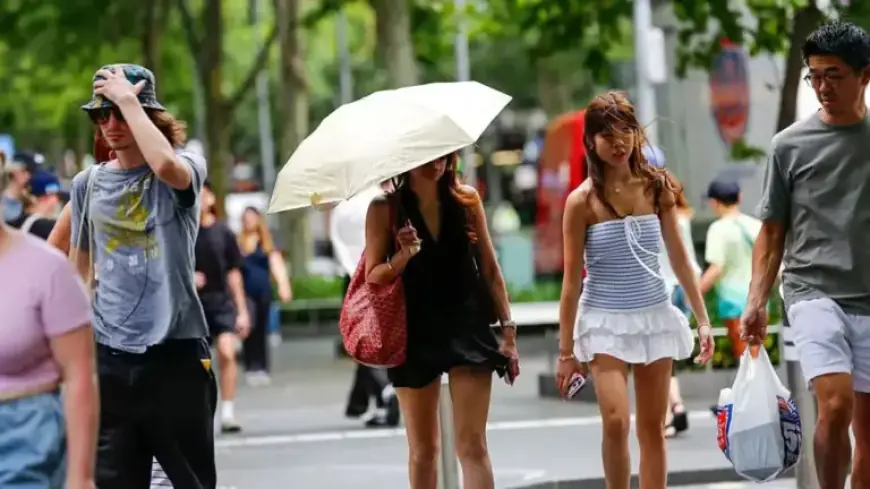
Recent warnings from scientists indicate a significant transformation in the Australian summer, largely driven by climate change. A heatwave earlier this year has been deemed five times more likely due to human-induced global warming. This event marked the most extreme heat conditions in the southern states since the disastrous summer of 2019-2020.
Intensifying Heatwaves in Australia
During early January, temperatures soared into the 40s°C across southeast Australia. Such extreme heat events, which previously occurred about four times per century, are now projected to happen more frequently. According to the World Weather Attribution, intense three-day heatwaves could be expected every five years under current global warming trends.
Predictions of Future Heat Events
- If global temperatures rise by 2.6°C above pre-industrial levels, extreme heat events might occur every two years by the end of the century.
Sarah Perkins-Kirkpatrick, a climate science expert from Australian National University, emphasized the importance of adapting to this climate reality. She stated, “It is a total transformation of the Australian summer.” Students today may encounter these severe heat events multiple times before graduating high school.
Health Impacts and Resource Strain
The intense heat in January stretched health resources to their limits. Some regions saw maximum temperatures surpassing 40°C. For example, Melbourne Airport recorded a peak of 44°C, prompting a state of disaster declaration due to numerous out-of-control fires in the area. These fires resulted in one fatality, widespread destruction of properties, and the death of thousands of livestock.
Long-term Effects of Climate Change
Ben Clarke from Imperial College London shared insights on the future of heatwaves in Australia. He noted that climate change effects are becoming more significant than natural variability, including phenomena like La Niña, which typically signals cooler conditions.
Increasing Health Risks from Extreme Heat
Extreme heat, often referred to as a “silent killer,” poses a greater risk than natural disasters such as floods, bushfires, and storms combined. Australia’s national climate risk assessment warns that heat-related deaths could increase by over 400% in Sydney and more than 250% in Melbourne if temperatures rise by 3°C.
Vulnerable Populations
- The elderly and those in poorly designed housing are especially at risk.
- Individuals with pre-existing health conditions also face heightened vulnerability.
Emmanuel Raju from the University of Copenhagen stressed the urgent need for cities to adapt to these changing conditions. He advocated for improved urban planning and health systems to better protect at-risk populations.
This transformation of the Australian summer underscores the immediate necessity to combat climate change. The consequences are not only environmental but also pose severe public health challenges. For more updates on climate issues and the latest news, visit Filmogaz.com.