























Trump Praises Carney’s China Deal, Then Threatens 100% Tariff on Canada

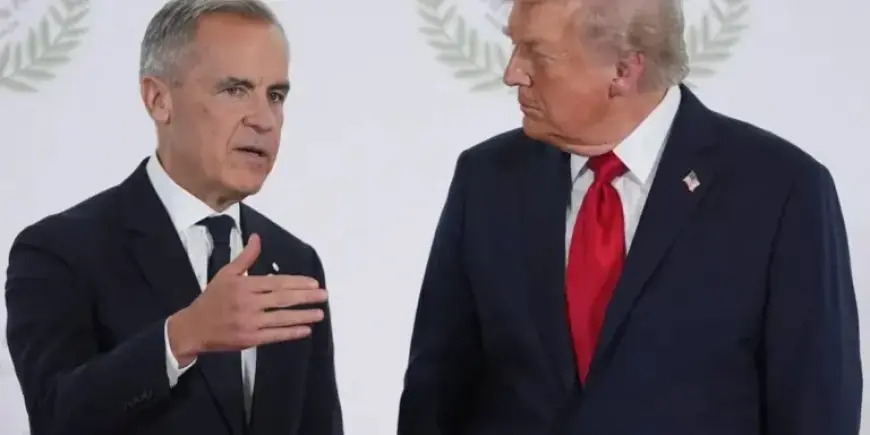
President Donald Trump has made headlines again with his fluctuating trade policies. He recently suggested that the United States could impose a staggering 100% tariff on Canadian imports if Canada proceeds with a trade agreement with China.
Trump’s Dire Warnings
In a social media announcement, Trump cautioned Canada against acting as a transit point for Chinese goods aimed at the U.S. market. He claimed, “China will eat Canada alive,” emphasizing the potential negative impact on Canadian businesses and the social fabric.
Stakes for Canada
- 100% tariff threat on Canadian goods if a deal with China is finalized.
- Trump’s view that China’s influence could harm Canada significantly.
China-Canada Trade Agreement
Last week, China and Canada established a deal aimed at reducing trade barriers. This agreement includes:
- Lower Chinese tariffs on specific Canadian agricultural products.
- Reduced tariffs on 49,000 Chinese electric vehicles entering Canada.
Trump expressed approval of this development, suggesting it was beneficial for Canada to secure a trade deal with China.
Responses from Canadian Leadership
Canadian Prime Minister Mark Carney’s office did not provide immediate comments regarding Trump’s statements. During a recent speech at the World Economic Forum in Davos, Carney hinted at the consequences of using tariffs for coercion in international relations.
Impact on International Relations
Trump’s aggressive tariff stance also raised concerns among NATO allies, as he had threatened similar tariffs unless they supported his Greenland acquisition plan. However, he later backed down from that position.
Ongoing Trade Strategies
Last year, Trump indicated intentions to impose tariffs on Canada and other nations, yet such tariffs have exemptions under the U.S.-Mexico-Canada trade pact. Details regarding the specifics of what constitutes a deal between Canada and China remain unclear.
Future of Tariffs and Trade
Trump’s recent statements are part of a broader pattern of declaring tariffs as a means of pressure. He has also indicated possible secondary tariffs against nations trading with Iran, which poses further risks to his ceasefire with China regarding tariffs.
As these trade dynamics unfold, the Supreme Court’s decision on Trump’s authority to impose tariffs under the International Emergency Economic Powers Act remains crucial to the future of U.S. trade policy.