

























Trump Widens Ban on Aid to Groups Discussing Abortion: NPR

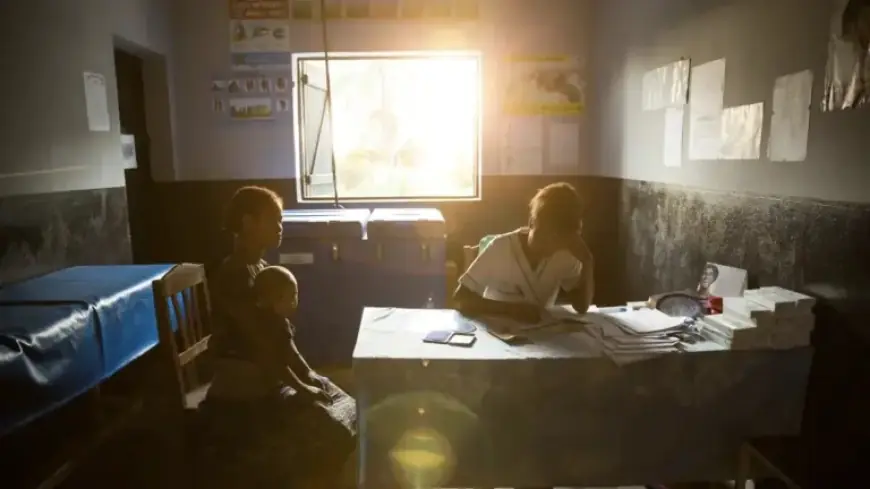
In a significant policy shift, Vice President JD Vance announced a broad expansion of the Mexico City policy during the March for Life rally in Washington, D.C. This initiative, first established in 1984 by President Ronald Reagan, prohibits U.S. funding for organizations that provide or promote abortion services.
Expansion of the Mexico City Policy
The revised policy now targets groups advocating for what the administration describes as “gender ideology” and diversity, equity, and inclusion (DEI). “Every country has a duty to protect life,” stated Vance, emphasizing the administration’s commitment to this policy change.
- Policy prohibits funding to groups promoting abortion and certain ideological agendas.
- Expansion includes larger entities such as U.N. agencies.
- Received enthusiastic support from March for Life participants.
Advocates’ Responses
Supporters argue this policy is essential to ensure U.S. tax dollars do not support abortion globally. Elyssa Koren from ADF International described the expansion as crucial for respecting American taxpayers’ wishes and for recipient countries facing ideological pressures from U.S. aid.
Conversely, critics contend that the policy weaponizes foreign assistance to promote ideological agendas. Keifer Buckingham of the Council for Global Equality warned it could hinder access to healthcare for marginalized groups, particularly transgender individuals.
Historical Context of the Mexico City Policy
The Mexico City policy has a complex history. It has been rescinded and reinstated by various presidential administrations. In his first term, President Trump broadened the scope to include all foreign health aid, increasing its impact. The rule faced repeal under President Biden but was reinstated last year, significantly affecting organizations like MSI Reproductive Choices, which reported losing $15 million in funding.
Consequences for Foreign Aid and Healthcare
The extended policy will have far-reaching implications, potentially affecting over $30 billion in non-military foreign assistance. It could limit support for vital humanitarian efforts, especially following natural disasters when local organizations require aid.
Experts warn that organizations best positioned to deliver healthcare might be cut off from U.S. funding due to their connection to abortion services. This situation could adversely affect recovery efforts and healthcare accessibility across various populations.
Focus on Gender Ideology and DEI
In addition to its implications for abortion, the policy also scrutinizes organizations promoting DEI and gender diversity. Advocates worry this broadens the scope of exclusion to any groups serving marginalized demographics or focusing on identity-based health needs.
The specific enforcement mechanisms and language of this policy are still pending, raising concerns among organizations about potential funding cuts based solely on ideological compliance.
Conclusion
This expansion of the Mexico City policy highlights ongoing ideological battles concerning foreign aid and reproductive rights. As organizations adapt to this evolving landscape, the potential consequences for millions of individuals relying on international health services remain uncertain.