























Boosting Energy Resilience During Winter Peaks

In Quebec, extreme cold spells are significantly increasing electricity demand, putting pressure on the transmission and distribution networks. In response to this challenge, innovative solutions are being implemented to alleviate peak demands, enhance network reliability, and lower carbon footprints.
Strategies for Energy Resilience During Winter Peaks
According to Jonathan Théorêt, head of transportation, energy, and building division at the Bureau of Ecological Transition and Resilience, Montreal is focusing on decarbonizing its real estate sector. The city is modifying its Urbanism and Mobility Plan 2050 to allow energy-efficient systems in courtyards and on building facades. This aims to simplify the installation of technologies like heat pumps, solar panels, exterior insulation, and geothermal wells.
Théorêt emphasizes the importance of data collection from the 7,500 largest buildings. This data will help compare energy performance, assign ratings, and establish targets for improvement.
Innovative Urban Heating Solutions
Montreal is also pioneering urban thermal networks, such as the upcoming eco-district in Louvain. This project aims to optimize energy consumption through thermal exchanges between buildings. It will transition from natural gas to local, low-emission sources, utilizing thermal discharges, particularly from the leachate of the former Miron quarry—a first in Quebec and Canada.
Marine Energy Solutions
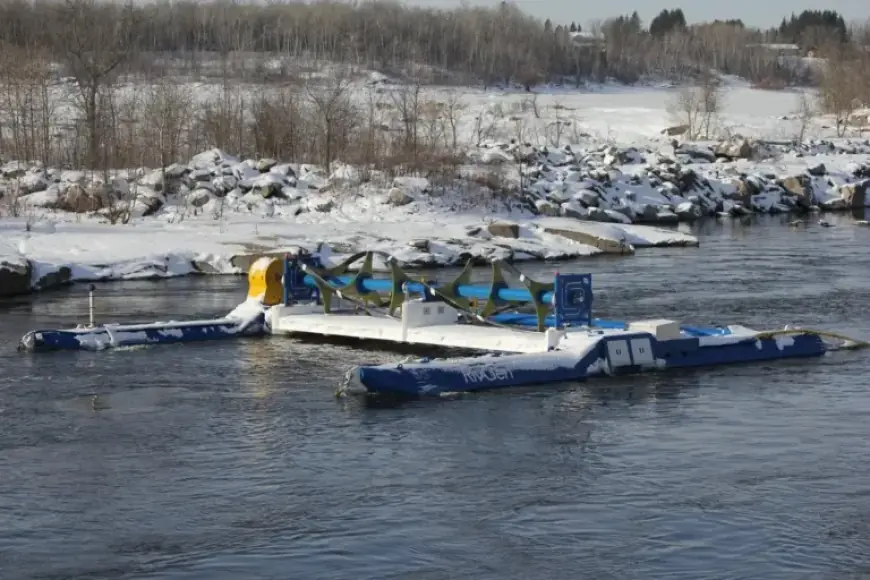
Reducing pressure on the power grid involves implementing credible solutions for energy distribution. Ocean Renewable Power Canada (ORPC) is harnessing river and tidal energy to provide reliable electricity to off-grid communities. Their submerged turbines convert water flow into electricity without altering river ecosystems.
- Predictability: The turbines operate continuously, unaffected by weather conditions like ice.
- Local Resilience: This local generation ensures communities can maintain power despite incidents.
- Cost Efficiency: Increased project volume leads to reduced costs.
In British Columbia, this technology can help communities that often experience up to four hours of electricity shortage daily, ensuring a steady power supply even during adverse conditions.
Bioenergy Initiatives
Since 2021, Énergir and Hydro-Québec have been offering a bioenergy solution combining natural gas and electric technologies to tackle winter challenges. When temperatures drop to around -12°C, an automated system switches heating from electric to natural gas. This strategy helps avoid overbuilt infrastructure for just a few critical hours a year. In 2023, 8,000 MW peaks occurred only 1.1% of the time.
The switch to 100% gas heating during extreme cold allows for significant savings of 1,000 to 1,500 MW by 2030, along with a reduction of 35,000 tons of greenhouse gas emissions annually. Initially tailored for residential clients, the service is now being extended to commercial and institutional sectors.
The Future of Renewable Gas
Énergir’s goal is clear: to replace natural gas with renewable gas sources in the long term. They are also pursuing technologies like hydronic heat pumps, which offer high efficiencies.
Whether through urban regulation reform, marine energy independence, or innovative bioenergy solutions, Quebec is taking crucial steps to diversify and decentralize energy production, ultimately strengthening its power grid. This holistic approach is essential for boosting energy resilience during winter peaks.