






















Essential Tips for Surviving an Extreme Cold Snap

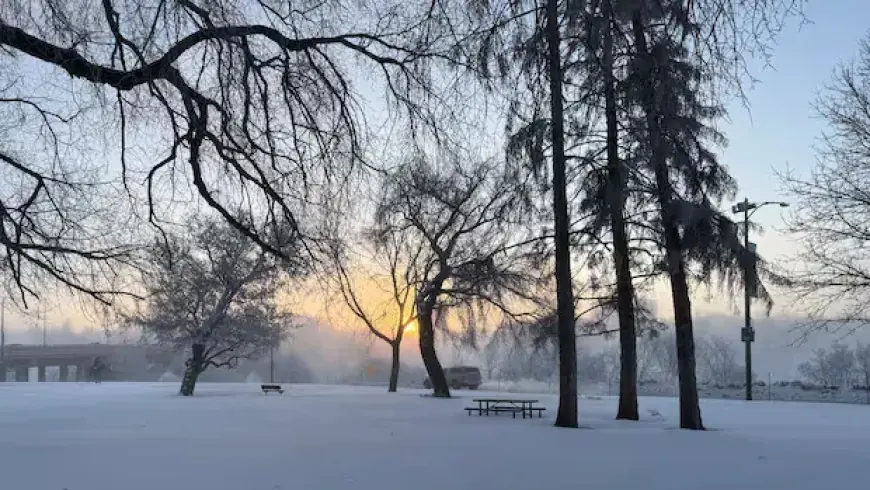
As extreme cold weather grips Saskatchewan, many residents face potential dangers from freezing temperatures. This cold snap has prompted authorities to issue warnings, highlighting the increased risks of fires, frozen pipes, vehicle malfunctions, and threats to pets. Understanding how to stay safe during this harsh weather is essential.
Understanding Home Safety Risks
During periods of extreme cold, incidents of fires and carbon monoxide poisoning tend to rise. The Saskatoon Fire Department emphasizes that heating systems, working overtime, can lead to dangerous situations. Residents should adhere to the following safety measures:
- Ensure furnace intake and exhaust vents are clear of snow and ice.
- Inspect chimneys and rooflines for any ice buildup.
- Keep exits and windows accessible for emergencies.
- Test smoke alarms monthly and carbon monoxide detectors every three months.
- Never use outdoor heaters indoors.
- Maintain a distance of at least one meter between space heaters and combustible materials.
Awareness of carbon monoxide exposure symptoms, such as headaches and dizziness, is crucial for safety.
Vehicle Preparedness
The Canadian Automobile Association (CAA) notes that battery failure is a common issue for drivers in freezing temperatures. To prevent this, CAA suggests plugging in vehicles when temperatures drop below -15°C. Additionally, drivers should prepare an emergency kit that includes:
- Booster cables
- A shovel
- Warm blankets, mitts, and a toque
- A mobile phone charger
- Water and non-perishable snacks
If a vehicle breaks down, it is advisable to remain inside, as the car provides temporary shelter.
Maintaining Home Plumbing and Heating Systems
Andrew Strauss from Prime Mechanical Ltd. warns that frozen water and drain lines can pose significant risks in cold weather. Homeowners should ensure their heating systems function correctly. Recommended actions include:
- Replacing furnace filters regularly.
- Booking annual inspections for heating systems.
- Installing carbon monoxide detectors in key areas.
Health Concerns in Cold Weather
Cold temperatures can lead to serious health issues, including frostbite and hypothermia. Crista Boehm from the Workers’ Compensation Board of Saskatchewan advises recognizing early warning signs such as shivering or numbness. To mitigate risks, individuals should dress in layers and take regular breaks in warmer environments.
Pet Safety During Cold Snaps
The Saskatchewan Society for the Prevention of Cruelty to Animals (SPCA) highlights that pets are also at risk during extreme cold. The outreach coordinator Jemma Omidian recommends limiting outdoor time for pets to just five minutes for bathroom breaks. Warning signs in animals include shivering and lethargy. Pet owners should consider:
- Using winter coats and booties for pets, if tolerated.
- Wiping off ice and salt from animal paws after outdoor exposure.
- Seeking veterinary care if prolonged exposure occurs.
Conclusion
Staying safe during an extreme cold snap involves being proactive about home safety, vehicle preparedness, personal health, and the well-being of pets. By following these essential tips, residents can navigate the cold weather more safely.