Ted Cruz’s Laguna Beach trip revives an old Texas anxiety: where leaders are when the weather turns dangerous

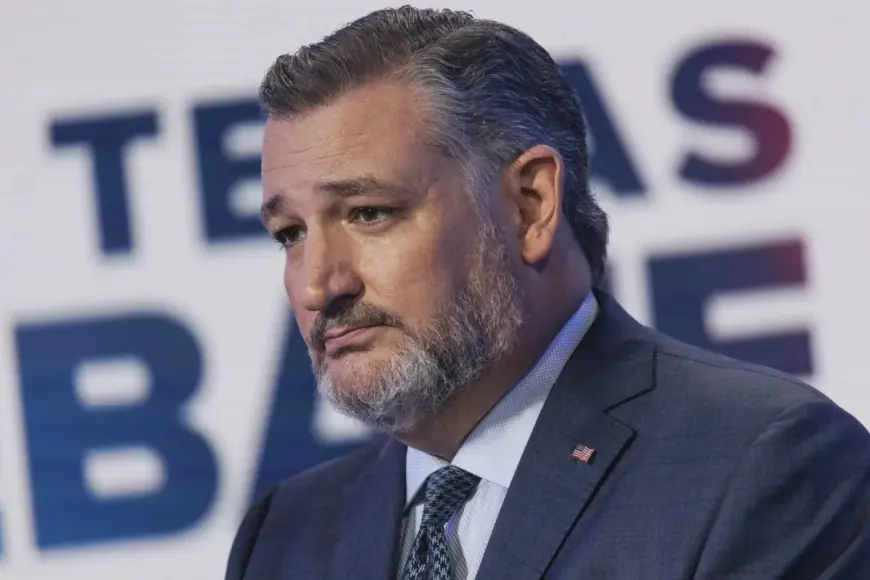
A photo of Sen. Ted Cruz traveling to Laguna Beach, California as Texas braced for a sharp Arctic blast set off a familiar kind of public unease—less about one itinerary and more about crisis confidence. Texans still carry the memory of February 2021, when a winter disaster exposed how fast normal life can collapse into outages, closed roads, and medical emergencies. Against that backdrop, even a short, pre-planned trip can read as a warning sign when the forecast looks serious and the margin for error is thin.
The real story is trust under stress—because storms are timing tests
Winter weather in Texas isn’t just about snow totals. It’s about how quickly conditions flip from manageable to dangerous, and whether people believe institutions are prepared: the power grid, road crews, emergency management, local shelters, and public messaging. When the state faces a cold event that can threaten power reliability, any hint of absentee leadership becomes an accelerant for anger—especially for officials who have already been defined by a previous storm narrative.
That’s why this episode moved so quickly online. The issue wasn’t “Can a senator travel?” It was “Will someone visibly take responsibility when the forecast turns into risk?” For many Texans, leadership is partly symbolic in these moments—showing up, communicating clearly, and projecting readiness. Symbols matter more when residents remember frozen pipes, empty grocery shelves, and days without heat.
The uncertainty that lingers now is less about where Cruz was for a few hours and more about what the episode says about the state’s political reflexes during emergencies: storms trigger comparisons, comparisons trigger backlash, and backlash can swamp more practical conversations about preparation.
What happened: a viral photo, a backlash, and a quick return
The sequence began with an image circulating on social media showing Cruz on a flight that was widely described as bound for Southern California, with Laguna Beach singled out as the destination. The timing—January 20, 2026—coincided with growing warnings of arctic cold, potential ice, and hazardous travel conditions in parts of Texas.
Within a day, the reaction became loud and pointed, driven by a simple parallel: Cruz’s widely criticized 2021 Cancun trip during Winter Storm Uri. The similarity wasn’t the destination; it was the optics of leaving as Texans anticipated another round of weather trouble.
Cruz’s office said the travel was pre-planned work-related and maintained he would be back in Texas before the worst conditions arrived. Cruz also used social media to say he and his team were monitoring the weather, mixing reassurance with a joking tone about his presence “averting” the storm—an attempt to defuse the moment that, for some critics, landed as flippant.
By January 23, 2026, Cruz posted that he had returned to Texas, as the forecast continued to draw attention to cold risks and potential grid strain.
Mini timeline of the flare-up:
-
Jan. 20, 2026: Photo circulates showing Cruz on a flight associated online with Laguna Beach travel.
-
Jan. 21–22: Backlash intensifies as Texans share reminders of 2021 and demand visible leadership during the coming cold.
-
Jan. 23: Cruz posts that he’s back in Texas and frames the trip as pre-planned work travel.
Why the backlash stuck: the “Uri shadow” and the politics of presence
Cruz’s 2021 decision to leave the state during a deadly freeze hardened into a political shorthand that still shapes public expectations. Even years later, that memory changes the threshold for scrutiny. In that context, “I’ll be back before it hits” isn’t always enough; people want to see proactive engagement—briefings, coordination, public-facing updates that feel concrete rather than reactive.
What this episode also shows is how modern storm politics works: a single photo can become the story, pushing meteorology and preparedness into the background. That’s not necessarily fair, but it’s predictable—especially when extreme weather is tied to past trauma and ongoing debates about infrastructure resilience.
As Texas faces another round of winter hazards, the immediate weather impacts will be local—roads, pipes, power—but the political impact is broader: every cold snap now doubles as a referendum on who shows up early, who communicates clearly, and who gets the benefit of the doubt.