

























1984 Subway Shooting Predicted Rise in Vigilante Violence

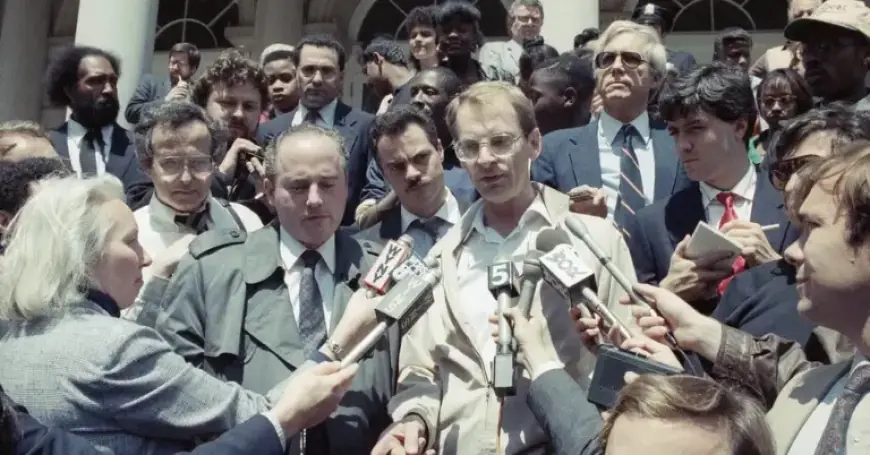
The 1984 subway shooting incident involving Bernie Goetz marked a significant moment in New York City’s history and foreshadowed a rise in vigilante violence. On December 22, 1984, Goetz shot four unarmed Black teenagers on a subway train, claiming self-defense. This event has been analyzed in two recently published books that explore its implications and consequences.
Key Events of the Subway Shooting
On that fateful day, Bernie Goetz, a 37-year-old white man, entered a downtown subway car with an unlicensed .38 caliber handgun. His victims, Troy Canty, Barry Allen, James Ramseur, and Darrell Cabey, were attempting to rob him, although none were armed at the time.
- Goetz shot Canty first, then opened fire on Allen and Ramseur.
- He shot Cabey at close range despite the teenager appearing incapacitated.
- The shooting unfolded quickly within minutes between subway stops.
The Aftermath and Legal Proceedings
The aftermath of the shooting was severe. Cabey suffered life-altering injuries and could not testify during Goetz’s trial. Goetz later claimed that he believed the teenagers posed a threat, which his defense team used to argue his actions were a response to a previous mugging experience.
In his trial, Goetz was acquitted of the more severe charges, including attempted murder. His self-incriminating statements were recast as trauma responses by his lawyers.
Books Analyzing the Shooting
Two significant books published recently provide in-depth coverage of the incident. Elliot Williams’s “Five Bullets” offers a legal analysis of the case, while Heather Ann Thompson’s “Fear and Fury” examines broader social implications, framing the event as a reflection of growing racial tensions and a catalyst for vigilante culture.
- Five Bullets: Focuses on legal details and the criminal proceedings.
- Fear and Fury: Discusses the societal impact and the rise of white rage in the 1980s.
Broader Implications of Vigilante Violence
The shooting of 1984 is viewed as a pivotal moment that heralded a culture of vigilante justice. Both authors draw parallels to modern figures like Daniel Penny and Kyle Rittenhouse, suggesting that the sentiments surrounding Goetz resonate in contemporary discussions about race and justice.
The Legacy of the Shooting
After years of legal battles, Cabey’s family won a civil lawsuit against Goetz, awarded $43 million, though they received nothing due to Goetz’s bankruptcy. Today, the case remains a touchstone for debates over race, justice, and violence in America.
Thompson concludes her work with a poignant photograph of Cabey and his mother, reminding readers of the human cost of violence and the importance of compassion in a society fraught with fear.
The Bernie Goetz subway shooting not only changed lives but also reshaped the discourse surrounding racial tensions and individual justice in the United States, ultimately predicting a troubling rise in vigilante violence that continues to evolve today.