Melkart-3 Conducts Trawling Operations Near Svalbard

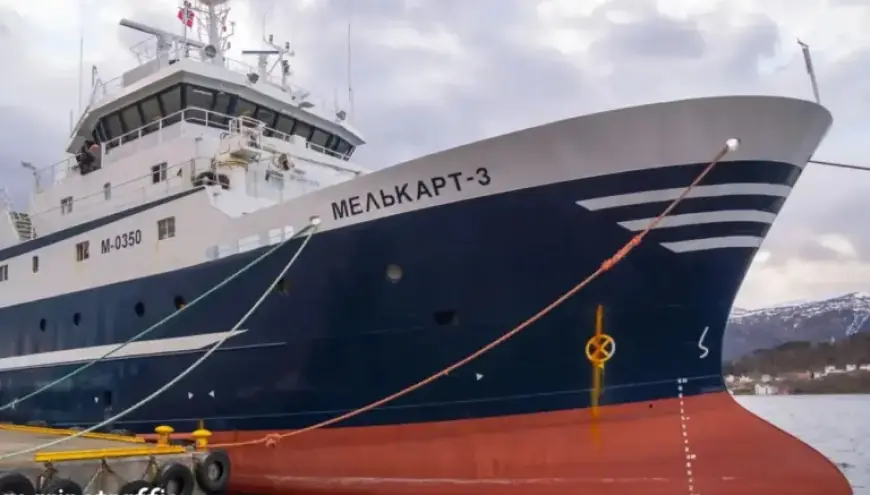
Amid the ongoing tensions and sanctions against Russia, the Melkart-3 fishing vessel has been conducting trawling operations near Svalbard. The vessel is part of Murman Seafood, a Russian company currently restricted from entering Norway’s 200-nautical mile economic zone. The sanctions levied by Norway are part of a broader initiative by the European Union concerning unusual navigation practices close to critical infrastructure, which includes military exercises.
Background on Sanctions Against Murman Seafood
Murman Seafood was included in the EU’s sanctions package due to its fishing practices near sensitive locations. Particularly concerning was the behavior of Melkart-5, a sister ship to Melkart-3, which was noted for crossing the subsea cable multiple times before it sustained damage. This documented behavior prompted additional sanctions and close scrutiny of Russian vessels operating in the area.
Melkart-3’s Recent Trawling Activities
From January 7 to January 21, the tracking data from Norway’s Coastal Chart Series indicates that Melkart-3 navigated both east and west of Bear Island, as well as south-west of Spitsbergen, without entering the Norwegian economic zone. Despite these movements, the legality of the vessel’s operations outside this zone is a matter of discussion among experts.
- Geir Hønneland, Senior Researcher at the Fridtjof Nansen Institute, emphasizes that fishing in Svalbard’s Fisheries Protection Zone remains unregulated for Russian vessels due to their non-recognition of the zone.
- The long-standing fisheries agreement between Norway and Russia facilitates occasional access to each other’s economic zones, but does not cover Svalbard.
Implications of Sanctions on Fishing Activities
Many Russian vessels primarily fish outside Norway in regions like Troms and Finnmark at this time of year. As spring approaches, vessels often move north to continue operations outside Svalbard. Hønneland suggests that while the sanctions on Murman Seafood and Norebo seem significant, they may not drastically hinder Russian fishing operations overall.
Moreover, the Kapitan Durachenko, another Russian vessel, has been on a similar route, recently docking in Tromsø for maintenance before heading back out to sea. The ownership and operational control of Kapitan Durachenko have changed multiple times, raising questions about its ties to sanctioned entities like Norebo.
Concerns Over Intelligence Gathering
Norwegian authorities have expressed concern that these vessels may engage in intelligence-gathering activities. The EU has specified that Melkart-5 displayed atypical behavior inconsistent with normal fishing operations, raising alarms regarding potential espionage efforts.
| Vessel Name | Status | Date of Activity |
|---|---|---|
| Melkart-3 | Trawling Near Svalbard | January 7 – January 21, 2025 |
| Melkart-5 | Under Sanction | Previously Documented in 2022 |
| Kapitan Durachenko | Sailing Near Svalbard | Last Docked January 9, 2025 |
The uncertainty surrounding the activities of vessels like Melkart-3 and Melkart-5 highlights the delicate balance of fishing rights, international law, and geopolitical concerns in the region. As Russian vessels continue to operate near Svalbard, the implications for regional security and fishing regulations remain crucial topics for ongoing discussion.
For more updates and insights into the fishing industry and international maritime laws, visit Filmogaz.com.