

























Australian Open Defends Against Heatwave with Cool Strategies

The Australian Open is adapting its strategies to combat rising temperatures as a significant heatwave looms. As the tournament approaches, organizers are implementing measures to ensure player safety and spectator comfort amid the predicted extreme heat.
Adjustments to Match Scheduling
In response to the forecast, matches at the Australian Open will begin an hour earlier than usual on day seven. This change aims to minimize exposure to excessive heat during peak hours. On Saturday, temperatures in Melbourne are expected to reach 40 degrees Celsius, pushing Tennis Australia to consider possible suspensions of play during the hottest parts of the day.
Impact of Extreme Heat on Players
Thermal physiologist Matt Brearley has noted that while elite athletes are accustomed to heat, they too have limits. He explains that extreme temperatures can lead to serious health issues, including fatigue, headaches, and, in severe cases, heat stroke. This risk highlights the importance of the Australian Open’s heat policies.
Heat Safety Measures
- The introduction of the Wet Bulb Globe Temperature (WBGT) metric, which assesses heat stress on players.
- A five-point AO Heat Stress Scale that dictates play regulations based on real-time temperature and conditions.
- A new ATP heat rule that includes a 10-minute cooling break when WBGT exceeds 30.1 degrees Celsius.
Under this rule, matches will be halted if temperatures reach 32.2 degrees Celsius or higher, enhancing safety for players and event staff alike.
Understanding Heat Stress Management
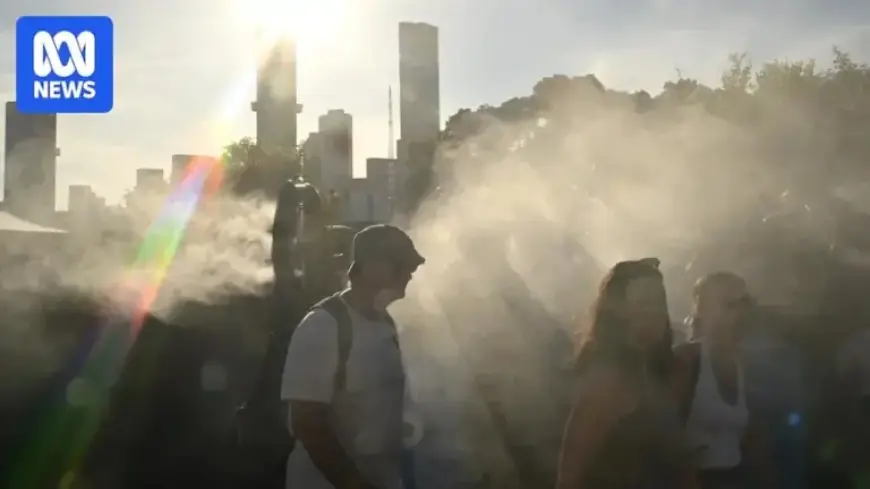
In addition to safeguarding athletes, the Australian Open focuses on providing comfort for spectators. Water misters and shaded areas are set up throughout the event grounds. Hydration remains critical, but experts recommend pre-cooling techniques. Players can benefit from consuming icy treats, which lower body temperatures before exertion.
Upcoming Weather Challenges
The heatwave is expected to persist. By Tuesday, temperatures may climb to 44 degrees Celsius in Melbourne’s outer suburbs, prompting ongoing caution from tournament officials.
Conclusion
Tennis Australia is committed to addressing the challenges presented by extreme heat. By implementing strategic changes and prioritizing player and spectator well-being, they aim to navigate the upcoming hot conditions effectively. Fans are encouraged to stay informed and utilize available cooling resources during the Australian Open.