























Why Does Putin Covet Ukraine’s Donbas Region So Intensely?

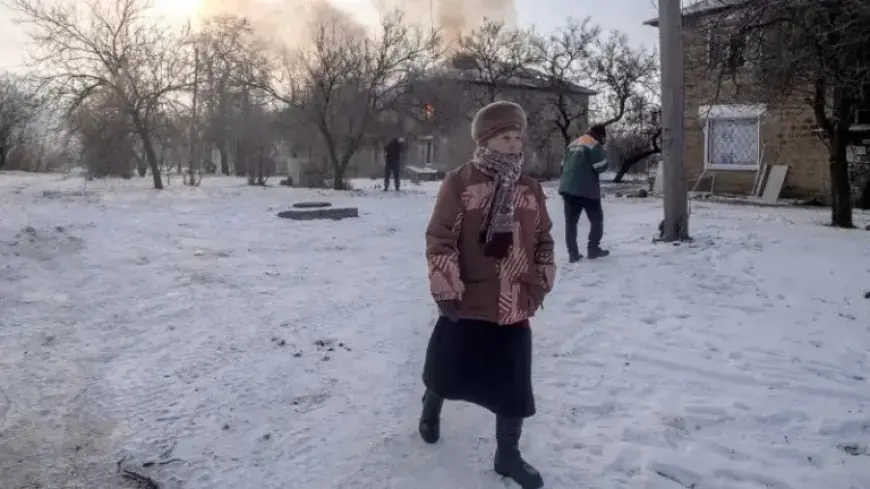
The ongoing conflict between Ukraine and Russia centers on the Donbas region, an area rich in coal and minerals in eastern Ukraine. Recently, representatives from the United States, Russia, and Ukraine convened in Abu Dhabi for a trilateral meeting aimed at addressing territorial disputes. Despite attempts at diplomacy, the underlying territorial issues remain unresolved.
Key Players and Their Stances
During the meeting, Ukrainian President Volodymyr Zelensky highlighted the importance of territory. He reiterated that Ukraine is unwilling to concede any part of the Donbas to Russia. Meanwhile, Kremlin aide Yury Ushakov made it clear that Russia has no intention of compromising on territorial demands.
Historical Context of the Donbas Conflict
The Donbas, collectively made up of Donetsk and Luhansk regions, has historically had a significant Russian-speaking population. This region served as Ukraine’s industrial backbone, and in 2014, it became the focal point for Russian aggression following the annexation of Crimea.
- 2014: Russia annexed Crimea and began supporting pro-Russian separatists in the Donbas.
- 2014-2022: A low-intensity conflict resulted in approximately 14,000 deaths.
- February 2022: Russia recognized the Donetsk and Luhansk People’s Republics as independent states and launched a full-scale invasion of Ukraine.
Military Actions and Casualties
Despite a superior military force, Russia has struggled to control the entire Donbas region. As of now, Russian forces have captured nearly all of Luhansk but only 70% of Donetsk, facing significant resistance.
The conflict has been costly for both sides:
- Estimated Russian casualties range from 20,000 to 25,000 soldiers per month.
- The ongoing warfare has led to a heavy toll on civilians and infrastructure.
International Response and Human Rights Abuses
Human rights organizations have reported numerous abuses in Russian-occupied areas, including arbitrary arrests and forced indoctrination of civilians. The United Nations has condemned these actions, noting violations of international humanitarian law.
Ukraine, supported by Western allies, is expected to resist any territorial concessions. Proposed alternatives include potentially recognizing the current front lines to facilitate a ceasefire, although such a move would compromise Ukraine’s strategic defenses.
Looking Ahead
The future of the Donbas remains uncertain. While talks continue, the emphasis on territorial integrity suggests that a swift resolution is unlikely. Both sides appear entrenched in their positions, making any concessions politically sensitive and fraught with tension.
As the situation evolves, the balance of power in eastern Ukraine will remain crucial for both Ukraine’s sovereignty and regional stability. The conflict in the Donbas is not just a territorial dispute; it reflects broader geopolitical tensions and national identities in the region.