





















Minnesota’s Immigration Drama Centers on the Whipple Building

Federal immigration agents have intensified their operations in the Twin Cities, sparking significant public protests and the detention of numerous immigrants. Central to these developments is the B.H. Whipple Federal Building, which has become a focal point for activism against these actions.
Whipple Building: The New Hub for Immigration Enforcement
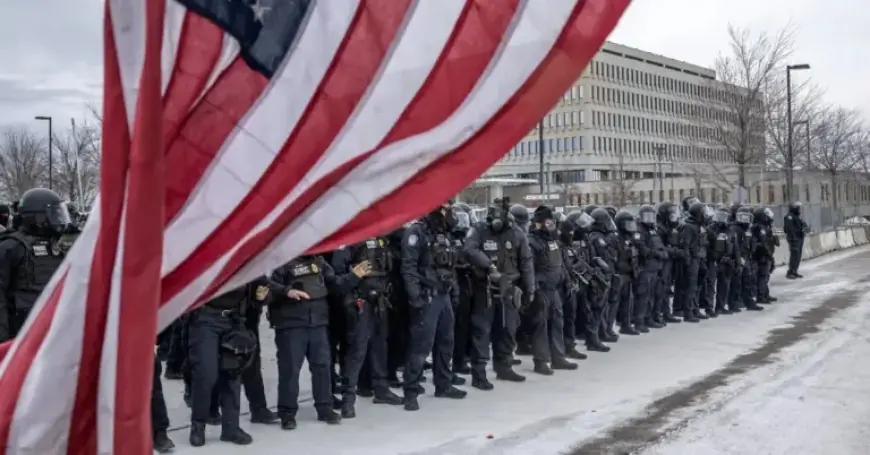
The B.H. Whipple Federal Building, a notable Brutalist structure, has long served as a key federal facility in the Minneapolis-St. Paul area. Currently, it hosts numerous immigration agents as part of a broader enforcement initiative by the federal government. In the past six weeks, protests have surged outside its doors, with demonstrators enduring harsh winter conditions.
Conditions Inside the Whipple Building
Individuals detained at the Whipple Building have reported dire conditions. Accounts describe cramped spaces, little privacy for basic needs, and inadequate food supplies. Detainees, including children, often display visible distress in full sight of fellow detainees.
- Gage Garcia, a U.S. citizen, reported being shackled and held in crowded conditions.
- Others have described receiving limited food options, primarily bread and ham, with reports of no water provided.
- Detention lawyers also face difficulties accessing their clients and challenging detentions.
Arrests and Legal Outcomes
Amidst these conditions, many detained individuals are swiftly transported out of state, primarily to Texas, complicating legal challenges. The rising number of immigrants missing court dates reflects growing fears of arrest. Observers note this is a direct consequence of heightened enforcement during the current administration.
Ongoing Protests Against Immigration Enforcement
Protests outside the Whipple Building have become a daily occurrence, as demonstrators express their opposition to federal immigration actions. The community’s response includes providing comfort items like snacks and hot drinks to fellow protesters enduring frigid conditions.
- Protests have sometimes escalated to confrontations with federal agents, resulting in the use of tear gas.
- Protesters vocalize their dissent, challenging the morality of the agents’ actions.
Community Voices and Heritage
Voices such as Liza Interlandi Stewart have highlighted the conflict between the legacy of the building’s namesake, Bishop Henry Benjamin Whipple, and the current immigration practices. Stewart emphasizes that her ancestor was known for his fairness and just treatment of all individuals, particularly during his advocacy for Native Americans.
As federal operations at the Whipple Federal Building continue, the convergence of enforcement actions and community-driven protests illustrates a significant chapter in Minnesota’s immigration narrative.