
























NVIDIA Ends OPP, Cuts GeForce RTX 5070 Ti Production Significantly

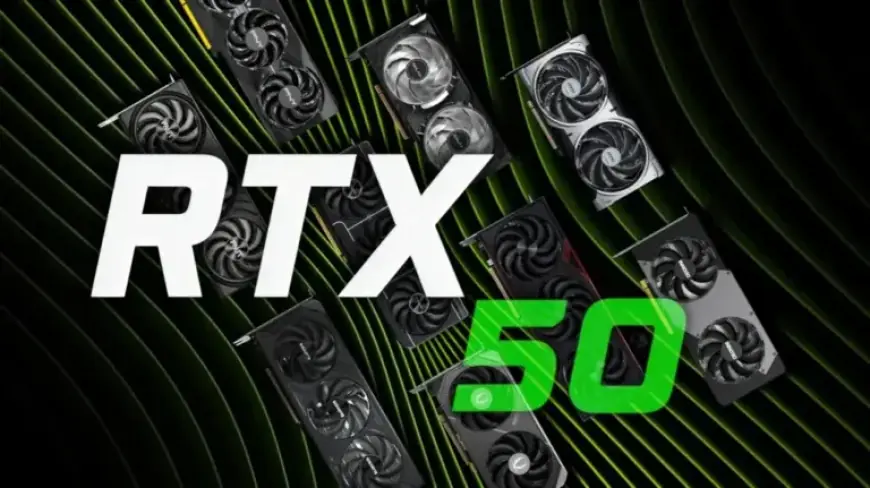
NVIDIA’s latest developments in the RTX 50 series have raised eyebrows, particularly regarding the discontinuation of the Open Price Program (OPP) and the fate of the GeForce RTX 5070 Ti. Recent announcements indicate that gamers can expect considerable price increases for the RTX 50 series GPUs.
NVIDIA Halts Open Price Program
Prominent overclocker and YouTuber Der8auer reported NVIDIA’s decision to end the OPP program, which has been crucial for board partners. This move suggests that manufacturers will no longer be able to offer GPUs at their Manufacturer’s Suggested Retail Prices (MSRP).
Impact on GPU Prices
- With OPP discontinued, a surge in the prices of RTX 50 series GPUs is anticipated.
- NVIDIA’s strategy now aims to focus on higher-margin GPUs, leading to further price hikes.
- Current market conditions, including increased memory costs, are exacerbating the situation.
Der8auer warns that these changes indicate a shift away from MSRP prices, which may soon be a relic of the past. The cancellation of the program suggests a tighter supply and heightened demand, positioning NVIDIA to target the more lucrative segments of the gaming market.
Speculation on GeForce RTX 5070 Ti
While there were rumors about the discontinuation of the RTX 5070 Ti, Der8auer clarified that the card has not reached its End of Life (EOL). Instead, NVIDIA is prioritizing the production of the more powerful GeForce RTX 5080, expected to launch with higher performance metrics and the same 16 GB of GDDR7 VRAM.
Expected Changes in Production Strategy
- NVIDIA will focus on manufacturing the RTX 5080 over the RTX 5070 Ti.
- RTX 5080 is likely to see a price increase of 1.5x to 2x above MSRP due to high demand.
- Scarcity of the RTX 5070 Ti is predicted, further increasing its market value.
Trends in the GPU Market
This shift in production strategies mirrors AMD’s approach, where the company is increasingly emphasizing 16 GB models over lower-end GPUs. The Radeon RX 9060 XT 16 GB and RX 9070 XT have become the focal points as AMD transitions away from the less lucrative segments.
As the landscape evolves, gamers and consumers will need to adjust their expectations regarding pricing for the latest graphics cards. The implications of NVIDIA’s strategic pivot signal a dramatic change in the GPU market that could affect consumers for the foreseeable future.