























Minnesota Businesses Unite to Oppose ICE Actions

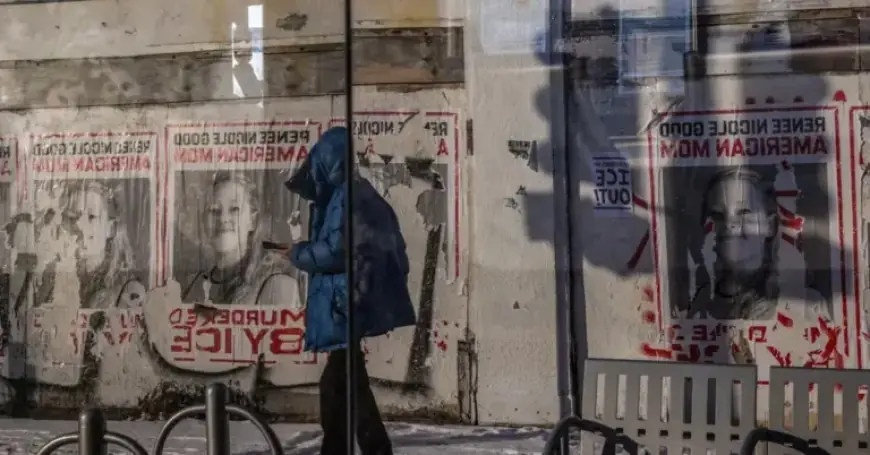
On a day marked by a general strike, hundreds of businesses across Minnesota united against the federal government’s immigration enforcement actions. This strike was a response to the growing tensions and fears surrounding immigration agents’ operations, particularly under the Trump administration.
General Strike Against ICE Actions
Shops, restaurants, and schools paused operations on Friday, participating in what was dubbed a “Day of Truth and Freedom.” The event aimed to raise awareness about the impact of Immigration and Customs Enforcement (ICE) actions on local communities.
Support from the Community
Participants included workers, vendors, and residents from across Minnesota. Many expressed feelings of solidarity, with local businesses displaying messages of support in their windows. Bishop Dwayne Royster from Faith in Action highlighted the emotional intensity surrounding these events, stating, “Folks are hurting.”
Impact of Extreme Weather
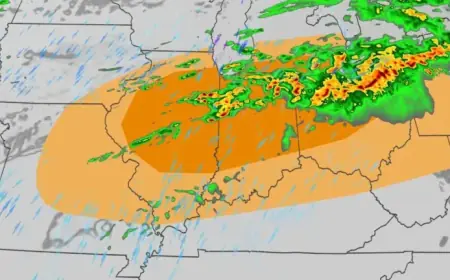
The strike coincided with severe weather conditions across the Midwest. An extreme cold warning was issued by the National Weather Service, predicting temperatures in Minneapolis could plummet to minus 20 degrees Fahrenheit. This harsh weather contributed to a less populated downtown area on the morning of the strike, with many businesses closing their doors.
Businesses and Participation
- Some businesses chose to close, while others supported the strike through modified operations.
- Misfit coffee shop in Minneapolis participated by offering free drinks but remained open for patrons.
- Al’s Breakfast, another local eatery, closed entirely in support of the action.
Marcus Parkansky, owner of Misfit, emphasized the importance of showcasing community organization against federal policies. He expressed hope that the strike would prompt the government to reconsider its approaches.
The Context of the Strike
The strike was fueled by community anger over a federal crackdown that has led to thousands of arrests since late last year. Notably, clashes between Minnesotans and federal agents had escalated, leading to serious incidents, including a fatal shooting involving an ICE agent.
Community Response and Official Reactions
Local officials and residents have increasingly criticized the actions of ICE. They seek to limit the agency’s presence in their neighborhoods. Lawsuits have already been filed concerning ICE conduct, further illustrating community resistance.
Despite this, federal officials maintained that the immigration enforcement efforts were necessary to combat fraud in social services. Vice President JD Vance termed the local protests as driven by “far-left agitators” and pointed to local officials for failing to foster cooperation.
Labor Union Involvement
Labor unions played a critical role in mobilizing support for the strike. Christa Sarrack, from a large hospitality workers’ union, proclaimed the event may be the largest worker action in the state’s history. Many unions opted to endorse the strike cautiously due to contractual obligations that discourage participation in unauthorized work stoppages.
Conclusion
As Minnesota businesses united to fight back against ICE actions, the strike served as a significant demonstration of solidarity amid challenging circumstances. Workers and community leaders alike declared their intention to oppose measures that jeopardize their safety and livelihoods.