Hemingway’s Hopeful Message to Sister Immaculata Days Before His Suicide

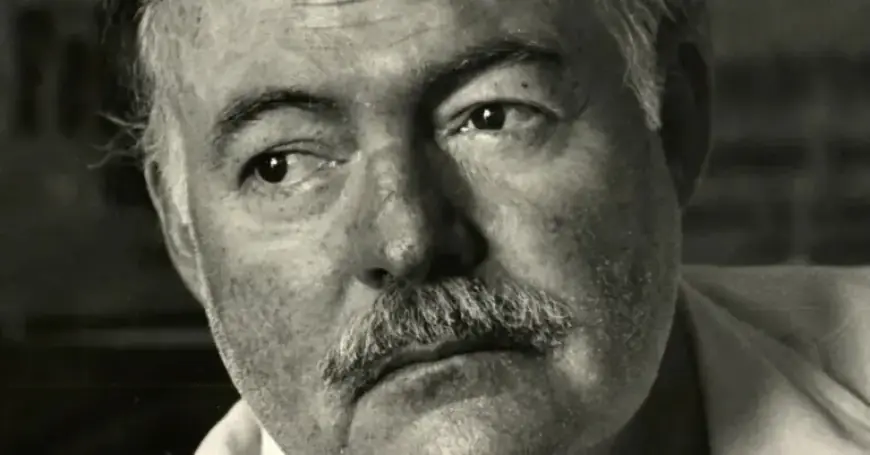
Ernest Hemingway’s life and struggles remain a poignant narrative, particularly in the days leading to his tragic end. An inscription found in one of his books holds significant emotional weight, reflecting his state of mind just before his suicide.
Hemingway’s Hopeful Message
According to author and researcher, DeBerg, Hemingway’s final days were marked by a complex mix of hope and despair. DeBerg is currently working on a book titled “Wrestling With Demons” and recently highlighted the haunting inscription Hemingway wrote.
Key Events Leading Up to His Death
On June 26, 1961, just six days before Hemingway’s suicide, Dr. Howard Rome, who was the chief of psychiatry at Mayo Clinic, discharged the author. Dr. Rome believed Hemingway had sufficiently recovered from his depression. The timing of this discharge and the content of the inscription invites speculation about Hemingway’s true feelings.
- Date of Discharge: June 26, 1961
- Date of Death: July 2, 1961
- Physician: Dr. Howard Rome
DeBerg reflects on whether Hemingway’s message was an indication of self-deception or a genuine belief in his recovery. The inscription’s sunniness raises questions about its purpose. Was it meant to show the doctors that he was ready for release, or did it mask his deeper struggles?
Significance of the Inscription
The inscription is not merely a note; it encapsulates the intricacies of Hemingway’s final thoughts. DeBerg recently toured the Nobel Prize Museum and noted the absence of Hemingway artifacts. Following this, he suggested that the Franciscans donate a book containing the inscription to the museum, which the leadership council agreed to do.
In November, the book was officially handed over to DeBerg in a ceremony at their motherhouse in Rochester, Minnesota. During an upcoming ceremony in Sweden, DeBerg will discuss the significance of the inscription, while actor Isa Aouifia will read from Hemingway’s “The Old Man and the Sea.”
Legacy and Compassion
According to Larsson from the museum, the inscription represents Hemingway at a remarkable point in his life—hopeful, still writing, and striving for another story. The compassionate act of the Franciscan Sisters in donating the book only adds to its value as a piece of literary history.
This poignant reminder of Hemingway’s struggles and aspirations will continue to resonate with readers and scholars alike, ensuring that his hopefulness, even in despair, is preserved in cultural memory.