

















Revolutionizing Sierra Leone’s Health Systems

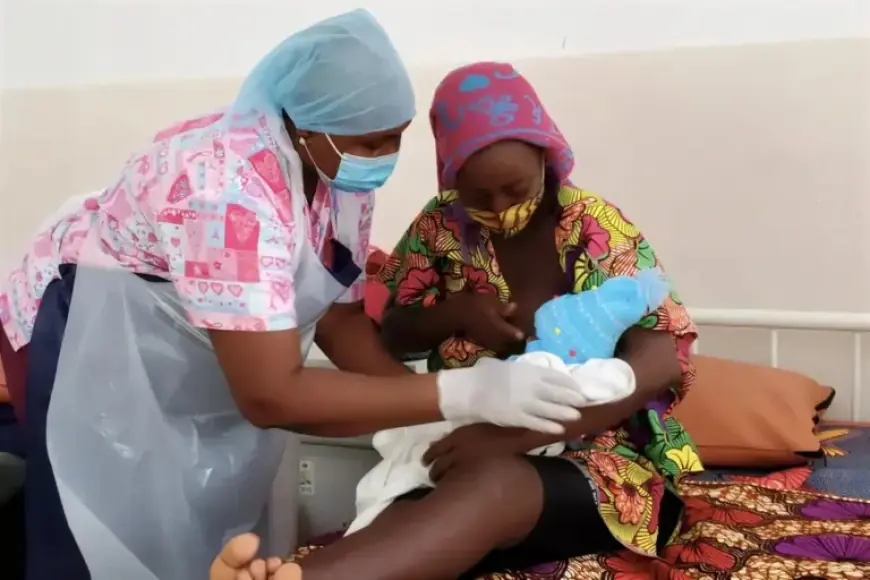
The health landscape in Sierra Leone is undergoing significant transformation, particularly in the Moyamba district. A new initiative called the Joint UN Flagship Programme on the Person-Centred Life Stage Approach is gaining momentum. This programme addresses health needs at every stage of life, empowering families and communities to cultivate a healthier future.
Transforming Health Systems in Sierra Leone
Ms. Seraphine Wakana, the UN Resident Coordinator in Sierra Leone, emphasizes the collaboration between the UN and local partners. Together, they are deploying innovative health financing models and scalable strategies. This collective effort aims to overcome historical health system challenges and establish sustainable solutions for generations.
Successes in Health Metrics
Over the last decade, Sierra Leone has made notable health advancements. According to the World Bank, the under-five mortality rate has decreased by 32 percent per 1,000 live births. Maternal deaths have halved between 2013 and 2023, highlighting the country’s dedication to health improvement.
Challenges in Rural Health Services
Despite these achievements, challenges remain in rural areas like Moyamba. Access to quality health services continues to be a pressing issue. The UN and other stakeholders are committed to addressing these gaps through targeted interventions.
Details of the Health Programme
The flagship programme aims to provide Universal Health Coverage (UHC) while reaching around 400,000 residents in Moyamba. It shifts care from a disease-centered approach to one that acknowledges individual needs across various life stages, including:
- Preconception
- Pregnancy
- Childhood
- Adolescence
- Adulthood
- Aging
Holistic Collaboration for Effective Health Solutions
The UN team in Sierra Leone consists of several agencies, including:
- UN Children’s Fund (UNICEF)
- World Health Organization (WHO)
- UN Population Fund (UNFPA)
- International Organization for Migration (IOM)
- UNAIDS
- UN Development Programme (UNDP)
- UN Women
- World Food Programme (WFP)
Each agency contributes its expertise, focusing on areas such as maternal health, disease management, and nutrition. For example, UNICEF promotes maternal and child well-being, while WFP enhances nutrition in schools. IOM ensures health services reach migrants and displaced persons, further underlining the programme’s commitment to inclusivity.
Innovative Financing for Health Improvements
The programme employs an innovative “parallel funding model.” With an initial investment of $3.6 million over three years, this approach encourages UN agencies to pool resources while maintaining their respective budgets. It aims for greater impact and accountability, setting a precedent for future health initiatives.
Looking Ahead: A Blueprint for Health Transformation
This initiative in Moyamba serves as a model for health reform across Sierra Leone. By integrating care at every life stage and enhancing community involvement, it seeks to lower preventable deaths and bolster health system resilience.
As the country strides toward achieving Universal Health Coverage, maintaining national leadership remains essential. The collaborative efforts of the UN and local partners offer a promising pathway to achieving sustainable development goals and ensuring lasting impacts on health for future generations.