
























Elizabeth Smart Documentary Puts the Focus on Survival, Not Spectacle, as Old Questions Resurface

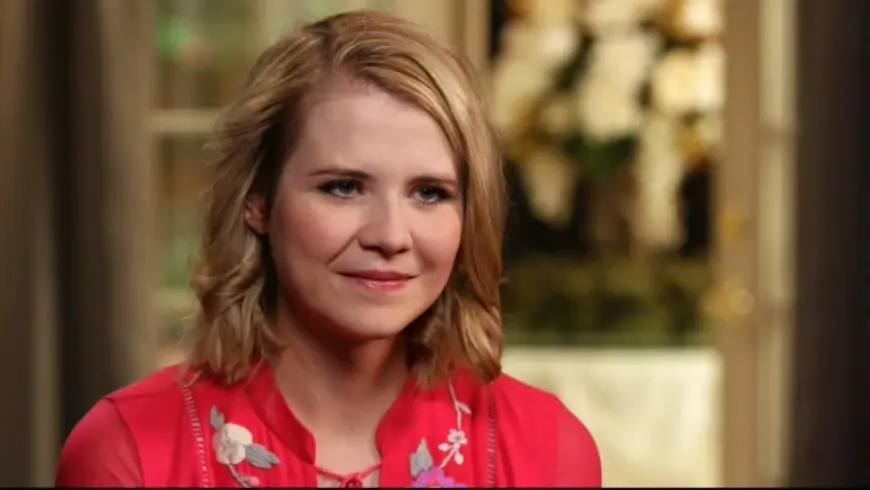
A new documentary about Elizabeth Smart is pulling many viewers back into a case they remember in flashes: a teenager taken from her bedroom, months of fear, and a rescue that felt improbable. What’s different this time is the lens. Instead of treating the story as a whodunit, the documentary centers what long-term survival actually looks like—how trauma lingers, how shame gets weaponized, and how families rebuild when the headlines move on. That shift matters for parents, schools, and anyone who follows missing-person cases, because it highlights what many “true crime” retellings skip: prevention, community response, and the cost after recovery.
The Questions People Keep Asking—and Why They’re Not Just Trivia
When a case returns to public attention, the same searches spike: Who did it? How long was she missing? Where were the failures? Those questions aren’t just curiosity. They’re the public trying to map danger onto something understandable.
Here are the core answers, clearly:
-
Who kidnapped Elizabeth Smart? Brian David Mitchell abducted Elizabeth Smart, with Wanda Barzee involved in the kidnapping and captivity.
-
How long was Elizabeth Smart missing / kidnapped? She was missing for about nine months—from June 5, 2002 until March 12, 2003 (about 281 days, counting both endpoints).
-
Who is Lois Smart? Lois Smart is Elizabeth Smart’s mother, one of the family members most publicly associated with the search and the aftermath.
That timeline is often repeated, but what’s most relevant now is what it reveals about vulnerability: how quickly normal routines can be exploited, how hard recognition can be when a victim is controlled, and why community awareness can be decisive.
What Happened, Without the Blow-by-Blow
Elizabeth Smart was abducted from her family home in Salt Lake City, Utah, in the early hours of June 2002. The kidnapping triggered an intense search and a national spotlight. During captivity, she was kept under coercive control and moved through areas where, at moments, she was in public but not safely reachable.
She was found alive in March 2003 in the Salt Lake City area when police encountered her with the kidnappers. The case became one of the most closely watched child abductions of its era, partly because it exposed how fear, disguise, and manipulation can prevent people from acting—even when something feels “off.”
A simple timeline helps keep the essentials straight:
-
June 5, 2002: Abduction from home
-
June 2002–March 2003: Captivity under coercive control
-
March 12, 2003: Recovery and reunion
Where Wanda Barzee and Brian David Mitchell are now
-
Brian David Mitchell: Convicted and serving a life sentence in federal prison.
-
Wanda Barzee: Served a federal sentence and was released in 2018.
The documentary context is important here: legal outcomes don’t automatically equal emotional closure, and release dates—especially for accomplices—often re-open wounds for survivors and families.
Why This Retelling Hits Differently in 2026
This documentary arrives in a moment when audiences are increasingly skeptical of sensationalized true-crime storytelling. Many viewers want less lurid detail and more practical truth: how grooming and coercion work, how communities can miss signals, and why survivors often face public scrutiny instead of protection.
It also reframes a common misconception: “found” does not mean “finished.” Recovery is a beginning—medical, psychological, familial, and social. For families like the Smarts, that includes public pressure, legal proceedings, and the challenge of reclaiming privacy while the case remains a cultural reference point.
For parents and guardians, the most useful takeaway isn’t a single safety tip—it’s a layered approach:
-
strengthen nighttime home security basics,
-
teach kids to trust discomfort signals,
-
practice “what to do” scripts without fear-based messaging,
-
and prioritize community vigilance that’s informed, not paranoid.
What This Means Next
-
Short-term changes: Expect renewed attention on survivor-centered storytelling and sharper criticism of content that treats trauma as entertainment. Schools, youth organizations, and parent groups may also use the documentary as a prompt for updated safety conversations.
-
Who benefits / who loses (neutral):
-
Benefits: Survivors and advocates pushing for trauma-informed language, stronger victim protections, and better public understanding of coercive control.
-
Loses: The older, sensationalized version of true-crime consumption that relies on shock, speculation, or re-litigating a survivor’s choices under duress.
-
-
What to watch next: Increased focus on how accomplice accountability is discussed—especially when a secondary participant is no longer incarcerated—and how that impacts survivor safety, privacy, and public harassment risks.
If you want, tell me what you’re trying to figure out—details of the timeline, the roles of Mitchell vs. Barzee, or what the documentary covers—and I’ll answer directly in a clean Q&A format.